
Ethical Hacking vs. Software Engineering - What's the Difference?
Updated on Jun 30, 2022 | 7 min read | 14.2K+ views
Share:
Table of Contents
View all
Everybody knows a little about ethical hacking or even about software engineering, programming, or coding. But, do you know the difference between hacking and software engineering? There is more than just programming in software engineering and accessing computing devices in Cyber Security. In this blog, we will look closely at Ethical Hacking vs Software Engineering.
Master the Right Skills & Boost Your Career
Avail your free 1:1 mentorship session
What is Ethical Hacking?
Hacking or Ethical Hacking is more than just accessing computing devices to gain access to get information. Duplicating malicious attackers' strategies and actions is the essence of ethical hacking. Identifying security vulnerabilities before they are exploited by malicious attackers helps to prevent them from occurring. Check out the exact difference & similarities between hacking and ethical hacking. You can enroll yourself for Ethical Hacking training and cyber security training to get deeply acquainted in Cybersecurity concepts.
What is Software Engineering?
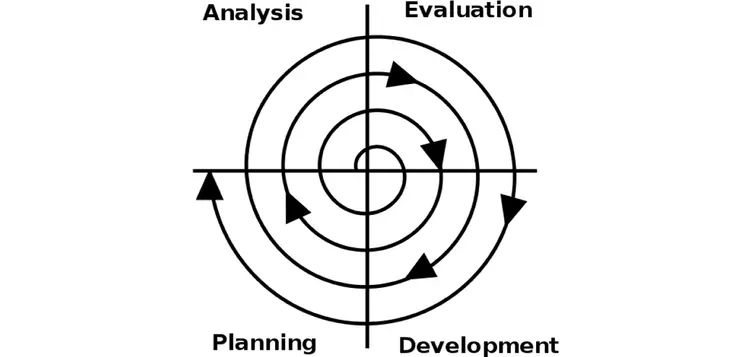
Software Development Engineer (SDE) or SWE, the American term for SDE, these term talks about a developer who uses their programming knowledge to develop a software along with their engineering Knowledge to make sure the software works as expected and as thought by the user or customer or even by the developers.
Now, we know the basics of what these terms software engineering and Ethical Hacking means. Let us start with differences between them so you can know what they are and if it sounds like your field of interest this article could be a headstart for that too.
The Differences Between a Software Engineer and a Cybersecurity Engineer
As we already know what Software Engineering is and what Hacking or Ethical Hacking is now, let us know their differences.
| Topic | Hacking | Software Engineer |
| Focus | Accessing computers | Engineering aspect of software making |
| Skill sets | Done manually or by tools | Done by a mix of soft and technical skills |
| Personality | Here, you can be a introvert | Here, you cannot be an introvert |
| Soft Skills Requirements | Requires soft skills Social Engineer your target | Requires soft Skills to coordinate with your teammates |
| Segment | Hacking is one segment of Cyber Security | Software Engineering is one segment of DevOps |
| Components | Five | Three |
| Teamwork | Not Necessary | Necessary |
| Methodology | 5 steps | Agile, Waterfall or Scrum |
| Subjects | Computer Networking, etc. | Management and Programming skills like Java or C++ |
| Programming Language | Mainly, Scripting like Python | Mostly Java or C++ |
| Security Aspect | SecDevOps | DevOps |
| Shell | Zsh or Bash | Not used |
| Automation | Very much due to people scarcity | Not much |
| OS | Linux or macOS | Windows, Linux or macOS |
| Certification | CEH, Pentest+, SSP, CISSP, etc. | Scrum Master, Six Sigma, etc. |
Let us see the differences in detail, one by one.
1. Focus
In Ethical Hacking, the focus is on accessing computers. so, to get access to the system to intercept or hack into it.
In Software Engineering, it focuses on the Engineering aspect of software making.
2. Skill Sets
In Ethical Hacking, it can be done manually or by tools due to people scarcity.
In Software Engineering, it is done by a mix of soft skills and technical skills. As it uses a mixture of technical and soft skills.
3. Personality
In Ethical Hacking, you may be or can be an introvert also.
In Software Engineering, you cannot be an introvert.
4. Soft Skills Requirements
In Ethical Hacking, you require soft skills like communication and listening along with empathy to social Engineer your target.
In Software Engineering, you need soft Skills to always coordinate with your teammates.
5. Segment
In Ethical Hacking, Hacking is one segment or aspect of Cyber Security.
Software Engineering is combination of developing software, DevOps i.e., software development management.
6. Components
In Ethical Hacking, hacking any computing devices has 5 different components, completing them provides you with the access to the system.
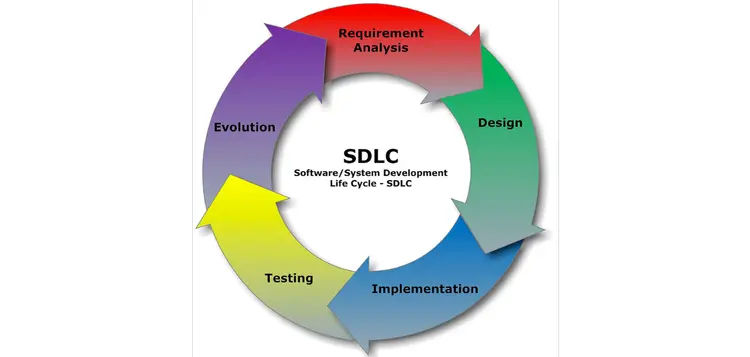
On the other hand, Software Engineering has only 3 components like developing software, testing, and managing.
7. Teamwork
In Ethical Hacking, many famous and familiar people do not work in a team while others do.
Whereas, in software engineering, you need to collaborate with the team to get the software done right and correctly.
8. Methodology
In Ethical Hacking, the methodology differs from person to person, but they mostly follow the components discussed above.
Whereas, in software engineering, they follow Scrum Model to manage the cycle of software creation. While, to make a Software they follow a strict methodology called Agile or Waterfall method.
9. Subjects
In Ethical Hacking, you need to know many other connected subjects like Networking, Basics of Computers, Scripting, etc.
Whereas, in software engineering, you need to know only about coding the solution and managing it.
10. Programming Languages Used
In Ethical Hacking, the most popular languages are scripting ones like Python and Bash and Zsh for Shells.
Whereas, in software engineering, you need to know Programming languages as per the client requirements.
11. Security Aspect
Security is paramount in Ethical Hacking, as the hacker aims to secure the systems from attackers called Crackers.
Whereas, in software engineering, security is dealt with lastly as they focus on usability and coding it faster which leaves security loops.
12. DevOps and DevSecOps
Security is paramount in Ethical Hacking, as the hacker aims to secure the systems from attackers called Crackers, so hackers which works with companies SDE/ SWE's works under the concept called DevSecOps, which we will discuss soon in the coming articles.
Whereas, in software engineering, security is dealt with lastly as they focus on usability and coding it faster which leaves security loops usually called DevOps.
13. Shell Programming
In Ethical Hacking, as the hacker aims to secure the systems from attackers called Crackers, so hacker’s usually used Shell Programming famous within Linux and macOS Developers.
Whereas, In software engineering, they use less shell Programming to work with.
14. Automation
Due to a whopping 10.5 millions Job Vacancy in Cyber Security, hackers must use automated tools like BurpSuite, WireShark, Lynix, etc.
Whereas, in software engineering, they use less automated tools, but it is gaining traction but not as much as it is in Cyber Security.
15. Operating System Used
In Cyber Security and In Hacking, the hacker uses tools which are secure by nature in the likes of Linux and macOS, which is more secure and developer friendly than Windows.
The software Industry is still stuck with windows for development thereby delivering software with security loopholes.
16. Certifications
In Hacking, the most famous certifications are Certified Ethical Hacker (CEH) and CEH (Practical) for those who are currently in the Cyber Security field and Pentest+.
Now, you make ask "is certified ethical hacker worth it" so here is a comparison article on CEH vs Pentest+. The famous Pentest+ and CEH are more or less of the same type and can be compared with one another. All these certifications teach the required basic skills and techniques which we will discuss in detail in upcoming articles. Top Cyber Security Certifications also include SSCP and CISSP’s. Check here for the comparison article on SSCP vs CISSP.
While, in software Engineering, the certificates are from Salesforce, Google or Oracle for their respective programming languages and Scrum Master Certificates to manage Software Engineering and Development. Also, we have other certifications like PMP or Six Sigma comparison.
17. Career and Job Role
There are a good amount of career and job roles in both Cyber Security like -
The person who performs Penetration Testing/ Test of the system or hack the system in plain language is called a Hacker or Penetration Tester or Cyber Security Analyst
And the person who performs all the tasks of Hacker and Software Engineering is collectively called SecDevOps.
While the person who performs all the tasks of Software Engineering is collectively called SDE, SRE, SWE or DevOps.
In the coming article’s we will discuss these terms to a good extent.
18. Salary
You may have questions or comparisons like cybersecurity vs software engineering salary or ethical hacker vs software engineer salary or cyber security vs software developer salary or security engineer vs software engineer salary. So, to answer all those, the answer is Software Engineering work is like a traditional job, so pay is less. But, in hacking since, it is a modern job the pay scale is more than developing software.
Visit cyber security training courses and learn CEH from scratch!
Ethical Hacking vs. Software Engineering: How to Get a Job
To get a job in hacking, you need to have understanding and practice on the subjects like -
- Computer Networking
- Computer Architecture and Organization (COA)
- Linux or macOS
- Tools used for hacking.
To get a job in Software Engineering, you need to have understanding and practice on the subjects like -
- C++ or Java
- Data Structures and Algorithms (DSA)
- Windows, Linux or macOS
- Tools used for software development like IDE and debugger.
Will Ethical Hacking or Software Engineers be More In-demand in the Future?
The future is of security and privacy as everything is moving forward into the IoT or IIoT, connecting everything digitally. Due to this demand for the fast movement to digitization, security is overlooked, which in turning disasterous. Thus, hacking will be more in demand in future due to this than software engineering.
Which Career is Best for You?
If you want to develop software and are inclined towards programming languages like C++ or Java and towards advanced mathematics then you can go for Software Engineering and Development.
But, if Computer Networking, Security and Privacy intrigues you, you can go for Cyber Security and can become a hacker which can also work with State or Federal Governments around the world.
Conclusion
So, this was all about the differences between Software Engineering and Ethical Hacking or Hacking. Now, after knowing the differences you may be eager to know about a career in hacking and other helpful tips and tricks. To get notified, Subscribe the KnowledgeHut Blog via email. You can also enroll for KnowledgeHut’s Ethical Hacking training to add more skills to your resume and get benefited.
See you soon in our next article on Cyber Security!
Frequently Asked Questions (FAQs)
1. Software engineer vs ethical hacking. Which has the best career prospects in India?
Both the job roles have career aspects with high revenue. But, since the future of technology and security is paramount, Hackers will be paid more than software Engineers.
2. Can a software engineer become a hacker?
Yes, a software Engineer can become a hacker by learning about Networking and Hacking.
3. Who earns more Ethical Hackers or Software engineers?
Software Engineering work is like a traditional job, so pay is less. But, in hacking since, it is a modern job the pay scale is more than developing software.
4. Are Ethical Hackers or Hackers in demand in India?
India is the largest market and has the most demand for Hackers and Cyber Security, just like the US or EU.
5. Is There More Math in Cybersecurity or Software Engineering?
Computer Science has more Mathematics subjects than Cyber Security because Software Engineering is core to Computer Science and Hacking is to Cyber Security. So, You must implement more maths in Software Engineering than in Cyber Security.
212 articles published
Vitesh Sharma, a distinguished Cyber Security expert with a wealth of experience exceeding 6 years in the Telecom & Networking Industry. Armed with a CCIE and CISA certification, Vitesh possesses expe...
Get Free Consultation
By submitting, I accept the T&C and
Privacy Policy