
- Home
- Blog
- Project Management
- How to Become an Architectural Project Manager in 2026?
How to Become an Architectural Project Manager in 2026?
Updated on Jan 13, 2026 | 12 min read | 6.25K+ views
Share:
Table of Contents
View all
- Who Is an Architectural Project Manager?
- What Does an Architectural Project Manager Do?
- How to Become Architectural Project Manager?
- Step 1: Master the Necessary Skills to Become an Architectural Project Manager
- Step 2: Determine Your Ideal Timeline
- Step 3: Begin Building Your Portfolio / Resume
- Step 4: Where and How to Find a Job
- Step 5: Ace the Interview
- Benefits of Becoming Architectural Project Manager
- Salary for Architectural Project Managers
- Certifications Required for an Architectural Project Manager
- Conclusion
Architectural Project Managers play a unique role in the world of construction and design. They bring together the creative vision of architecture and the structured approach of project management. It’s not just about drawing plans. It’s about making sure those plans come to life, on time and within budget. These professionals coordinate teams, manage timelines, deal with clients, and handle the unexpected curveballs that come with any building project.
Whether it’s a new office complex or a residential development, they are often the glue holding everything together. In this blog, we’ll explore what architectural project managers do, the skills they need, how they differ from traditional project managers, and what it takes to step into this challenging yet rewarding role.
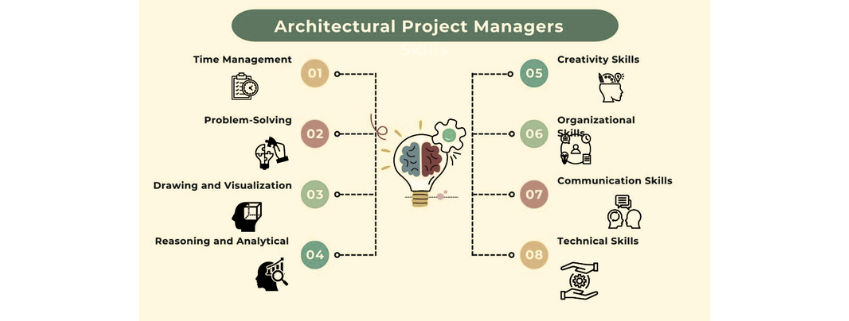
Source: invensislearning.com
Ultimate PMP Formula Cheat Sheet
Get a quick, exam-ready PMP cheat sheet with all essential formulas and key concepts in one place.
Who Is an Architectural Project Manager?
Architectural project managers are responsible for managing a building project's planning and execution. They keep an eye on process development to ensure it is progressing as planned. Typically, they can create, arrange, and evaluate building designs to make sure a project complies with all safety and environmental regulations. Additionally, they write building contracts and interview and choose project contractors. A project manager in the architecture field should be imaginative, well-organized, and a strong leader. An architecture project manager is often responsible for both design oversight and project execution. They also require excellent communication and analytical skills. They must have considerable knowledge of CAD technology and possess strong technical skills.
What Does an Architectural Project Manager Do?
An Architectural Project Manager leads the entire journey of a construction or design project. They bring the creative vision of architects into the real world, handling all the moving parts that make a project succeed. It’s not just about the drawings. It’s about execution, coordination, and problem-solving at every stage.
Here’s what the role typically involves:
1. Project planning and coordination
They help define the project goals, review architectural designs, estimate budgets, and build a realistic timeline. Planning sets the foundation for everything that follows.
2. Managing teams and tasks
Once the project kicks off, they assign work, monitor progress, and make sure every phase stays aligned with the original vision.
3. Communication and collaboration
Architectural Project Managers are in constant contact with clients, contractors, engineers, and local officials. They schedule meetings, clear roadblocks, and keep everyone updated.
4. Handling permits and regulations
They ensure all required permits are secured and that the project follows local building codes and safety regulations.
5. Budget and resource control
Tracking expenses is a big part of the job. They manage materials, labor, and timelines to keep everything on budget. If something unexpected happens, they adjust quickly.
6. Solving problems on the go
Delays, supply issues, or design changes are common. They handle these situations with calm, making quick decisions to keep things moving.
7. Maintaining documentation
From contracts to progress reports, they keep detailed records that help with compliance and future reference.
This job needs a sharp eye for detail, strong leadership, and a practical understanding of architecture. It’s a mix of creativity and control. And for those who enjoy seeing ideas turn into structures, it’s one of the most satisfying roles in the field.
How to Become Architectural Project Manager?
The next question is how to become an architectural project manager. Positions within architectural project management typically demand both education and expertise in architecture. Candidates must be detail-oriented and comprehend the requirements of both the client and the architect. Additionally, they must be able to collaborate with all teams and manage several projects at once. Before you apply for a job, please study the architectural project manager job description in detail and understand the requirements fully. Based on my experience and knowledge, I recommend following the steps below to become an Architectural Project Manager.
Step 1: Master the Necessary Skills to Become an Architectural Project Manager
Becoming an accomplished architecture project manager need some skills. Here are some necessary skills you might need that will match with architectural project manager job description:
Hard Skills
Engineering Skills
During the final project delivery, the technical components are just as crucial as, if not more, than creative aspects or aesthetics. Therefore, invest some time honing your drafting and engineering skills to succeed as an architectural project manager. This will give you an advantage when developing comprehensive plans and blueprints that connect each structure and guarantee it's done securely and effectively.
Technical Skills
Additionally, it's essential for any outstanding architectural project manager to keep up with the most recent technical developments. These experts must be skilled at using industry-standard software, primarily Revit, a building modeling program, and AutoCAD, a commercial design and drafting program, to complete the design portions of the job.
Understanding of Zoning and Building Regulations
The architectural project manager works to ensure adherence to local building regulations. Therefore, they must understand both geographic regulations as well as relevant industry standards.
Soft Skills
Planning
Planning gives architects a roadmap as they get ready to take a project from conception to completion, outlining timeframes and organizing the various stages in a logical order. Careful planning increases productivity and yields superior outcomes, enabling gifted individuals to collaborate to produce genuinely unique architecture.
Estimation
Project estimation is similar to being aware of the number of jellybeans in a jar without counting them individually. It's an informed prediction that calls for expertise, knowledge, and analysis of probable costs of labor, materials, and other intangible inputs, depending on market conditions and various project complexities.
Communication
Communicationis essential for an architectural project manager to help them coordinate with several team members, clients, and other stakeholders. In addition to being able to listen to and comprehend the requirements of others, you must be able to clearly convey your vision for the project. This ability is crucial to preventing miscommunication and ensuring all parties are on the same page.
Other Competencies
Organizational Skills
In my experience, one must be able to track the various project components and ensure everything moves smoothly. Organizational skills are crucial for architectural project managers. To ensure the project is completed on time and under budget, they must be able to communicate clearly with every team member and plan tasks.
Contract Administration
The management of contracts during all stages of the project cycle, from drafting and negotiation to execution and renewal, is called contract administration. It is an essential ability for architectural project managers because they are frequently in charge of monitoring the building process and making sure all parties involved uphold their contractual responsibilities. To properly handle contracts, one must possess a solid grasp of both contract law and negotiation theory.
Top Architectural Project Manager Certifications/Degree
When applying for a job as an architectural project manager, it can be advantageous to earn a degree in architecture to complete the required formal training and obtain a full license. Since some responsibilities, including approving blueprints, can only be done by licensed architects, some employers request this of their architectural project managers. It might also be a fantastic way to gain the professional experience that all jobs require.
Although some project management tasks are covered in formal training, there are more project management certifications that could help you stand out from the competition. PRINCE2, Certified Associate in Project Management (CAPM), and Certified Construction Manager (CCM certification are some highly sought-after Project Management courses.
In addition, the PMP certification also quite a popular course. Project management degree programs are also available at the bachelor's and master's levels, and they can be finished on-campus or online. These courses tend to be more general in nature, so they might be the best option if the project management component of this job appeals to you more than the specialization required in architecture.
Step 2: Determine Your Ideal Timeline
Establishing your optimum timeline is the next step. Considering different factors, such as your current skill level, experience, and availability, can be a challenging procedure. However, by segmenting the process into smaller phases, you may create a strategy that will enable you to reach your goal in a practical and doable manner.
Start Learning in a Format That Suits You
It's crucial to start studying in a format that works for you. This could entail taking an online course, watching videos on YouTube, or reading books and articles about architectural project managers. However, you must also make sure you secure real-world experience. To do that, you can earn a Bachelor of Architecture or Master of Architecture degree. You may also consider getting a Project Management degree.
Over the past few years, online courses have become more and more popular. There are numerous online architectural courses and project management certifications that give you access to materials produced by known scholars and universities. In my experience, the architectural project manager career path can be quite interesting and fulfilling.
How Long Does It Take to Become an Architectural Project Manager?
For full-time students, obtaining a bachelor's degree in project management normally takes four years. The typical length of a project management certificate program is less than a year. Additionally, students who register in project management courses could pick up new abilities in as little as a few months. Architectural project managers, however, also profit from practical experience in addition to academic programs. Demonstrating project management expertise is helpful for professionals to advance in this skill-focused industry.
Depending on the path, being a project manager usually requires 1-4 years. For full-time students, it normally takes four years to complete a bachelor's degree in project management. Usually, less than a year is needed to complete a project management certificate program. Additionally, students taking project management courses could just need a few months to develop new skills. But aspiring project managers gain experience by working in the industry, in addition to academic programs. Project management experience is helpful for career advancement because the area is skills-focused.
Step 3: Begin Building Your Portfolio / Resume
You will be in charge of organizing and overseeing the project's various components as an architectural project manager. Along with a solid technical foundation, you'll need to have exceptional communication and organizational skills. Your resume should emphasize your leadership skills, project management expertise, and experience leading teams of architects and engineers. The ideal candidate for this position will have advanced architectural expertise, as well as excellent analytical thinking, attention to detail, and leadership qualities.
Your resume should clearly reflect your strengths as an architecture project manager, including leadership, technical, and organizational skills. A candidate with a master's degree in architecture or a bachelor's degree in architecture and several years of experience will be preferred by hiring managers. To learn more about the template of the resume, you can visit here.
Step 4: Where and How to Find a Job
Top Companies Hiring Architectural Project Managers
Nearly all construction-related firms worldwide are always searching for the newest and most effective solutions to manage their architecture projects affordably. The field of architectural project management has grown to become more and more interesting and diversified. Architectural Project management is increasingly becoming a useful instrument for facilitating the implementation of brilliant ideas. Here is a list of the top companies offering architectural project manager jobs:
- Larsen & Toubro
- Tata Projects Limited
- Shapoorji Pallonji
- Reliance Industries
- IKEA
- Accenture
- AECOM
- Intel Corporation
- Mahindra Holidays & Resorts
Job Outlook for Architectural Project Manager
Architectural project managers are in charge of project planning and execution. Architectural project manager career path involves monitoring process development to ensure the project stays on schedule. Typically, they can create, arrange, and evaluate building designs to make sure a project complies with all safety and environmental regulations.
Researchers predict a 3% increase in the number of architectural project managers employed between 2018 and 2028. The expansion of the industries in which managers operate continues to be a major factor in the growth of managerial jobs. For instance, the employment of architectural managers in the engineering services sector is predicted to grow by 7% between 2018 and 2028, adding new opportunities. Engineering services are provided by consulting firms that work with a range of other industries. This company's civil engineering services are among its most often offered services.
Step 5: Ace the Interview
It is crucial to fully prepare for an interview so that you can showcase both your interest and skills. You must prove these qualities during the interview process since candidates for the position of architectural project manager must possess a wide range of hard and soft skills in addition to formal education and technical expertise.
Brief Overview of the Interview Process
- Initial Screening: This involves a phone or video interview to assess the qualifications and suitability for the role.
- Technical Interview: During this round, your technical knowledge and skills will be assessed.
- Behavioral Interview: This focuses on assessing soft skills and how you plan to handle various project management scenarios.
- Final Interview: In this stage, we meet with senior management or key stakeholders to discuss the experience and fit within the organization.
Here are some pointers to help you succeed in your upcoming architectural project management job interview:
- Highlight your expertise and experience.
- Demonstrate effective communication skills.
- Prepare talking points on the various architectural project management tools.
- Draw attention to your commitment to the client.
- Mention how dedicated you are to helping your team members grow.
- Promote your capacity for problem-solving.
- Determine your risk-discovering and risk-mitigation plan.
- Get familiar with responding to typical architectural project manager interview questions.
- Follow up with the interviewer.
Here is a set of sample architectural project manager interview questions and responses that can help you prepare for your upcoming interview.
Who Can Become Architectural Project Manager?
Being a great project manager demands a level of knowledge and experience, which only some architects possess. So if you're an ambitious architect, it's time to start honing your draftsman talents. The majority of businesses demand the following qualifications when employing an architect project manager:
- Preferably a master's degree in architecture, but at least a bachelor's degree
- A diploma or certification in project management
- An internship, working, or receiving training in Architectural Project Management
- Technical expertise and familiarity with building codes and construction standards and expertise with 2D and 3D CAD (computer-aided design) tools
Apart from these qualifications, employers seek candidates who can carefully switch between teams while abiding by deadlines and finding solutions to issues; this requires the ability to make quick decisions.
Benefits of Becoming Architectural Project Manager
What’s the Demand for Architectural Project Managers?
Between 2018 and 2028, researchers forecast a 3% increase in the employment of architectural project managers. The rise of manager positions continues to be significantly influenced by the expansion of the industries in which managers function. For instance, it is anticipated that between 2018 and 2028, the employment of architectural managers in the engineering services sector will increase by 7%, creating new possibilities. According to Zippia, there are approximately 102,882 jobs with a growth rate of 10% for architectural project managers.
Salary for Architectural Project Managers
Architectural project manager salary can vary a lot depending on experience, location, and the type of projects handled. In India, someone just starting out in this role can expect to earn around ₹4 to ₹6 lakhs per year. With a few years of experience and a solid portfolio, mid-level professionals usually earn between ₹8 and ₹15 lakhs annually. For senior professionals managing large or complex projects, the salary can go above ₹20 lakhs a year.
Outside India, the numbers are even higher. In the United States, entry-level salaries often start at around $65,000 per year. Experienced managers can earn $90,000 to $120,000 or more. In the UK, salaries typically range from £35,000 for beginners to £70,000 or above for senior roles. Countries like Canada, Australia, and Germany also offer competitive pay in this field.
Of course, actual figures can vary based on company size, location, and industry demand. But overall, it’s a career path that pays well, especially as your skills and experience grow.
| Country | Entry-Level Salary | Experienced Salary |
| India | ₹4–6 LPA | ₹15–20+ LPA |
| USA | $65,000+ | $90,000–$120,000+ |
| UK | £35,000+ | £60,000–£70,000+ |
| Canada | CAD 55,000+ | CAD 90,000–110,000 |
| Australia | AUD 60,000+ | AUD 100,000–130,000 |
| Germany | €45,000+ | €70,000–€90,000+ |
Certifications Required for an Architectural Project Manager
While a degree in architecture or civil engineering is the first step, certifications can give you an edge and help you grow faster in your career as an Architectural Project Manager.
If you're just starting out, completing a Bachelor's degree in Architecture (B.Arch) or a related field is essential. Some roles may also prefer candidates with a Master’s in Project Management or Construction Management for more complex projects.
Once you have your degree, the most valuable certification for this role is the Project Management Professional (PMP®) certification offered by PMI. It’s recognized worldwide and shows that you have a deep understanding of managing timelines, budgets, teams, and risks.
Another helpful option is the Certified Construction Manager (CCM) credential, especially if you're focusing on large-scale infrastructure or commercial projects. If you're working in the UK or Australia, certifications like PRINCE2® or Chartered Project Professional (ChPP) may be more relevant.
For those still working toward becoming a licensed architect, clearing the Architect Registration Examination (ARE) is a key requirement in the U.S.
Though not always mandatory, certifications show employers you’re serious about your role. They help build trust and often open doors to bigger projects and better pay. So, if you're looking to grow as an Architectural Project Manager, investing in the right credentials is a smart move.
Conclusion
The demand for competent and skilled architectural project managers rises as the building and design industries become more complicated. From beginning to finish, every component of a building or design project must be coordinated and managed by an architectural project manager. In order to maximize the likelihood of a project succeeding and helping organizations achieve their goals and provide value, every business needs competent architectural project managers to divide projects into discrete tasks with deadlines and milestones.
You will have all the information, abilities, and resources required to scope projects, organize activities, make the most of resources, and reduce risks as a certified project manager. KnowledgeHut's Project management courses, which range from PMP to PRINCE2®, will prepare you to plan, organize, carry out, and ensure the success of projects in any business, regardless of their size or degree of temporal complexity.
Frequently Asked Questions (FAQs)
1. What’s the demand for architectural project managers in India?
According to a survey from PMI, in order to meet industry demands, India alone will require more than 70K experienced project managers annually in the next ten years. Almost every industry needs someone in this position to improve decision-making, outcomes, and revenue growth.
2. What does an architecture project manager do?
Architectural project managers keep an eye on a building project's planning and execution. They keep an eye on the process's development to ensure it is progressing as planned. Typically, they oversee every task associated with building designs to make sure a project complies with safety and environmental regulations.
3. Is PMP useful for architects?
As an architectural project manager, you will need to employ a variety of abilities, including providing excellent knowledge and guidance and demonstrating good negotiation abilities.
4. How to go from architect to project manager?
To move from architect to project manager, start by gaining experience in managing teams, budgets, and timelines on projects. Pursue certifications like PMP® or a Master’s in Project Management. Strengthen your communication and leadership skills, and gradually take on more architectural project manager responsibilities beyond design to lead entire projects.
5. Who earns more: architect or project manager?
Project managers often earn more than architects, especially in mid to senior roles. While architects focus on design, project managers handle budgets, schedules, and coordination, which brings higher responsibility. With certifications like PMP® and experience, project managers can command higher salaries across various industries, including construction and design.
454 articles published
Kevin D. Davis is a seasoned and results-driven Program/Project Management Professional with a Master's Certificate in Advanced Project Management. With expertise in leading multi-million dollar proje...
Get Free Consultation
By submitting, I accept the T&C and
Privacy Policy