
- Home
- Blog
- Project Management
- What is Interpersonal Communication? Types & Examples
What is Interpersonal Communication? Types & Examples
Updated on Nov 25, 2024 | 3.3K+ views
Share:
Table of Contents
View all
- What Is Interpersonal Communication?
- Importance of Interpersonal Communication in the Workplace
- Principles of Interpersonal Communication
- Types of Interpersonal Communication
- Elements of Interpersonal Communication
- Interpersonal Communication and Remote Work
- How to Build Interpersonal Communication Skills
- Interpersonal Communication Examples
- Conclusion
Interpersonal communication is indeed a multifaceted process that transcends verbal exchanges. In the workplace, good communication is essential for creating a positive environment and fostering collaboration among team members. A combination of tone of voice, body language, facial expressions, active listening, clarity, empathy, and feedback ensures effective communication. For instance, a calm and reassuring tone can diffuse tension during a confrontation, while open body language can signal approachability and willingness to engage in dialogue.
When people feel comfortable sharing their opinions, it helps prevent small misunderstandings from growing into bigger problems. This hands-on approach doesn’t just resolve conflicts—it builds stronger connections between team members. In this post we will discuss the significance and key aspects of effective interpersonal communication. We will also walk through the types of interpersonal communication and much more.
Ultimate PMP Formula Cheat Sheet
Get a quick, exam-ready PMP cheat sheet with all essential formulas and key concepts in one place.
What Is Interpersonal Communication?
Interpersonal communication is the exchange of information, ideas, and feelings between two or more people. It includes verbal and nonverbal cues like facial expressions, body language, and tone. Interpersonal communication requires active listening, empathy, and adaptability for effective responses. Communication and interpersonal skills examples include listening attentively, providing constructive feedback, and using positive body language, all of which foster relationships in all settings.
Interpersonal communication builds strong relationships, trust, and mutual understanding. Effective communication promotes collaboration, cooperation, and teamwork. Clarity, patience, and understanding are essential skills for effective communication. These skills enhance communication and teamwork toward shared goals.
Interpersonal vs Intrapersonal Communication
Here is a tabular difference of how interpersonal communication differs from intrapersonal communication.
| Feature | Interpersonal Communication | Intrapersonal Communication |
| Nature | Dialogue, interaction, exchange of ideas | Self-talk, inner dialogue, reflection |
| Participants | Two or more people | One person |
| Purpose | Sharing information, building relationships, problem-solving | Self-awareness, decision-making, self-motivation |
| Context | Social, cultural, and situational factors influence communication | Personal experiences, thoughts, and feelings |
| Examples | Face-to-face conversations, phone calls, video conferences, email | Journaling, meditation, self-talk, visualization |
Forms
|
Verbal, non-verbal (gestures, facial expressions) | Internal monologue, mental imagery, silent self-reflection |
Complexity
|
Requires understanding others’ perspectives and emotions | Involves understanding one’s own feelings, thoughts, and motivations |
Importance of Interpersonal Communication in the Workplace
Interpersonal communication skills in the workplace foster teamwork, resolve conflicts, and build strong relationships. It promotes teamwork, improves employee engagement, and increases overall efficiency. Strong interpersonal skills also contribute to a positive work environment.
1. Building Strong Relationships:
- Trust: Effective communication fosters trust among team members, leading to stronger working relationships.
- Collaboration: Strong interpersonal skills enable seamless collaboration and teamwork.
- Mentorship: It facilitates mentorship and knowledge sharing, promoting professional growth.
2. Enhancing Teamwork and Productivity:
- Shared Goals: Clear communication ensures all team members are aligned with shared objectives.
- Efficient Problem-Solving: Effective communication helps identify and resolve issues promptly.
- Increased Productivity: Strong interpersonal skills boost morale, productivity, and create a positive work environment.
3. Effective Leadership:
- Inspiring Teams: Leaders with strong interpersonal skills can inspire and motivate their teams.
- Building Consensus: Effective communication helps leaders build consensus and make informed decisions.
- Managing Conflict: Strong interpersonal skills enable leaders to address conflicts constructively.
4. Improved Customer Satisfaction:
- Clear Communication: Clear and concise communication with customers enhances satisfaction.
- Empathy: Understanding customer needs and concerns through effective listening.
- Problem-Solving: Resolving customer issues efficiently through effective communication.
5. Personal and Professional Growth:
- Career Advancement: Strong interpersonal skills are often a key factor in career progression.
- Networking: Building relationships with colleagues and industry professionals.
- Self-Improvement: Effective communication can help individuals develop self-awareness and emotional intelligence.
Principles of Interpersonal Communication
Interpersonal communication is characterized by four key principles. It is inescapable, irreversible, complicated, and contextual.
- Inescapable: Communication is unavoidable. Unless one is completely isolated, interacting with others is a constant part of life. Every exchange, from a simple greeting to a complex discussion, involves interpersonal communication.
- Irreversible: This principle emphasizes being thoughtful and careful with what we say. Once words are spoken, they cannot be taken back. The original message is important, so be careful with what you say.
- Complicated: Communication is more than just spoken words. It includes non-verbal cues like facial expressions, body language, and tone. All these factors make interpretation multifaceted and nuanced.
- Contextual: Communication relies on context, such as the people, topic, location, and purpose. These elements can significantly impact how messages are understood.
Types of Interpersonal Communication
Interpersonal communication is the exchange of messages between two or more individuals. It comes in various types, each with distinct features.
Here are the four main types of interpersonal communication:
1. Oral communication
This is perhaps the most direct form, involving spoken words. It includes not only what is said but how it is said—tone, pitch, volume, and speed. These elements add depth and nuance to spoken language. Tone and delivery can significantly impact the meaning of simple phrases.
2. Written communication
Written communication involves the exchange of information through text. This includes various written formats, such as emails and reports. Well-structured writing saves time and effort. Clear and concise writing is essential for professional communication. Clear writing ensures the recipient understands the message without needing additional explanation.
3. Nonverbal communication
Nonverbal communication significantly affects how we understand messages and connect with others. This includes nonverbal cues like body language, facial expressions, and eye contact. They significantly influence communication. They also convey deeper emotions, attitudes, and intentions during communication.
4. Listening
Listening is the foundation of successful communication. Active listening involves paying attention and responding appropriately. This practice fosters trust, reduces misunderstandings, and strengthens relationships.
Elements of Interpersonal Communication
Interpersonal communication involves several key elements for effective communication. These elements are interconnected and work together to make communication effective. Individuals can enhance their interpersonal communication skills by focusing on each element. This can help them form deeper, more significant relationships.
The following are the key elements of interpersonal communication:
- Communicators: These are the individuals involved in the communication process. They include both the sender and the receiver.
- Message: This is the information or idea being conveyed between the communicators. It can be verbal, nonverbal, or a combination of both.
- Channel: This is the medium through which the message is transmitted. It includes face-to-face conversation, phone calls, email, or text messages.
- Receiver: This is the person who interprets the message sent by the communicator.
- Noise: This refers to any interference that can hinder effective communication. Examples of such interferences include background noise, distractions, and emotional barriers.
- Feedback: This is the receiver's response to the message, which can be verbal, nonverbal, or both.
- Context: This refers to the setting or situation in which the communication takes place. It involves factors such as the relationship, cultural context, and environment.
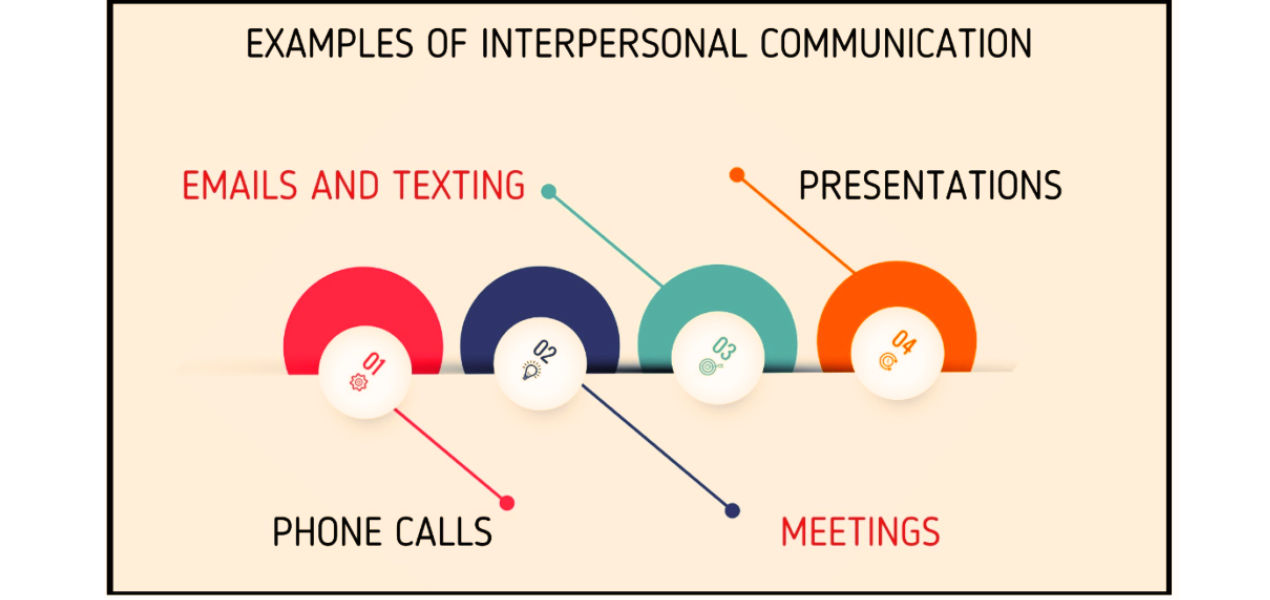
Source: Jaro Education
Interpersonal Communication and Remote Work
Effective communication is vital for remote teams. While core communication principles apply, remote work presents unique challenges. Here are strategies to improve virtual teamwork.
Use Visual Collaboration Tools:
Visual collaboration tools are essential for remote teams. Digital whiteboards and design platforms enable real-time collaboration and idea sharing. These tools allow remote teams to collaborate and provide feedback from any location.
Create direct communication channels:
Designate distinct communication channels for various types to ensure effective and streamlined interaction. For quick queries, use instant messaging. For formal communication, use email. For important discussions, use video calls.
Encourage Virtual Team Engagement:
To foster a strong team culture, create opportunities for informal interactions. Hold virtual meetings for informal team check-ins. Informal sessions improve team dynamics and effective formal communication.
Emphasize Active Listening:
Select a quiet location and turn off notifications to minimize distractions during virtual meetings. Stay engaged by taking notes and maintaining eye contact. Paraphrase and ask questions to confirm understanding and show active participation.
How to Build Interpersonal Communication Skills
Interpersonal communication skills build strong relationships and productive collaboration. To develop these skills, one requires consistent practice and self-awareness.
Engage in active listening: Give the other person your undivided attention. Give signs of attention, such as nodding or making eye contact. Active listening helps build trust and ensures mutual understanding.
Communicate Clearly and Concisely: Be clear and concise in your communication. Simple language makes your message clear to everyone. Use a tone that is appropriate and mindful. Avoid jargon and technical terms to ensure clarity. State your message clearly and avoid ambiguity. Be specific to prevent misunderstandings. Get to the point quickly and avoid adding unnecessary details.
Demonstrate Empathy: Empathy involves understanding and validating others' perspectives. Practice empathy to build stronger connections. Recognize and manage your own emotions to enhance interpersonal interactions.
Pay Attention to Nonverbal Cues: Body language and facial expressions play a key role in communication. They can express emotions, intentions, and reactions without words. Pay close attention to these nonverbal cues. They can strengthen your message or change its meaning. Use open posture, eye contact, and gestures to convey interest and engagement.
Encourage Constructive Feedback: Seek and provide constructive feedback to enhance mutual growth. Feedback fosters openness and helps identify areas for improvement.
Establish Rapport: Find common ground with others to build trust and effective communication. Discuss shared interests or experiences to facilitate productive and efficient conversation.
Interpersonal Communication Examples
Interpersonal communication is the transfer of information, ideas, and emotions between individuals. It can occur in various ways, such as informal chats with friends or formal meetings at work. Interpersonal skills are essential for everyday interactions, from simple greetings to complex projects.
Let us look at some more communication and interpersonal communication skills examples:
Verbal Communication
- Face-to-face: Discussing a project, chatting with a friend, or arguing with family.
- Phone calls: Calling a loved one, scheduling a meeting, or ordering food.
- Video calls: Virtual meetings, online classes, or video chats with friends and family.
Nonverbal Communication
- Body language: Using gestures, posture, and facial expressions to convey emotions or intentions. For example, crossing your arms may indicate defensiveness, while a smile can convey friendliness.
- Eye contact: Maintaining eye contact during a conversation shows engagement and interest.
- Proxemics: Using personal space to communicate social relationships. Standing too close can seem aggressive, while too much distance may appear disinteresting.
Written Communication
- Emails: Sending and receiving emails for work, school, or personal purposes.
- Text messages: Communicating with friends and family via text messages.
- Social media: Interacting with others on platforms like Facebook, Twitter, and Instagram.
Conclusion
To wrap up, interpersonal communication is crucial for human interaction. It shapes relationships and influences decisions. It also drives personal and professional success. Strong communication builds trust and encourages collaboration. It involves active listening, nonverbal cues, empathy, and adaptability. These skills help resolve conflicts and foster understanding. Effective communication strengthens teamwork and builds stronger connections.
Beyond words, our emotions, body language, and tone of voice convey profound messages. Self-awareness plays a key role in improving communication. Continuous improvement helps navigate challenges with confidence. Strong interpersonal skills are essential for growth and success. Effective communication fosters empathy and understanding across cultures and backgrounds. They contribute to better relationships and improved teamwork. By honing these skills, individuals can achieve personal and professional goals.
Frequently Asked Questions (FAQs)
1. What are the functions of interpersonal communication?
Interpersonal communication serves several key functions:
- Social Function: It helps us build and maintain relationships with others.
- Informational Function: It allows us to share information and ideas.
- Emotional Function: It enables us to express and understand emotions.
- Instrumental Function: It helps us achieve specific goals and objectives.
2. What are the three stages of interpersonal communication?
The three stages of interpersonal communication are:
- Initiating: This involves the initial contact and the establishment of rapport.
- Maintaining: This stage focuses on sustaining the relationship through effective communication.
- Terminating: This involves ending a friendship, romantic, or professional relationship.
3. How to increase interpersonal skills?
Tips to Improve Interpersonal Communication Skills:
- Active Listening: Focus on the speaker and provide feedback.
- Empathy: Understand others' perspectives.
- Clear Communication: Be concise and articulate.
- Positive Body Language: Align gestures with your message.
- Conflict Resolution: Resolve disputes calmly.
- Self-Awareness: Recognize your strengths and areas for growth.
4. What is the best example of good interpersonal skills?
A good example of strong interpersonal skills is a skilled negotiator. They can effectively communicate their needs and desires, listen actively to the other party, and find common ground to reach a mutually beneficial agreement.
5. What is the meaning of intrapersonal communication?
Intrapersonal communication is self-talk or inner dialogue. It involves thoughts, feelings, and beliefs that occur within an individual's mind. It plays a crucial role in self-awareness, decision-making, and problem-solving.
454 articles published
Kevin D. Davis is a seasoned and results-driven Program/Project Management Professional with a Master's Certificate in Advanced Project Management. With expertise in leading multi-million dollar proje...
Get Free Consultation
By submitting, I accept the T&C and
Privacy Policy