
- Home
- Blog
- Project Management
- What is Gap Analysis? Templates, Benefits & Examples
What is Gap Analysis? Templates, Benefits & Examples
Updated on Mar 25, 2025 | 15 min read | 21.16K+ views
Share:
Table of Contents
View all
- What is Gap Analysis?
- Why is Gap Analysis Important?
- Why is Gap Analysis Performed?
- Types of Gap Analysis
- What are the 3 Fundamental Components of Gap Analysis?
- How to Conduct a Gap Analysis?
- What is Gap Analysis Template?
- Gap Analysis Templates
- How to Create Gap Analysis Template?
- Benefits of Gap Analysis
- Examples of Gap Analysis
- Gap Analysis Tools
- Conclusion
Nowadays, almost every organization conducts a gap analysis for its strategic planning. Conducting gap analysis is one of the best methods to identify the difference between the current and desired state. It can identify areas where improvement is required, and it is often used in conjunction with other analysis tools, such as SWOT analysis and PEST analysis. This article will provide Gap Analysis templates and examples you can use for your business or personal projects.
Also, check how you do a gap analysis in project management to identify growth opportunities. So, read on and learn everything you need to know about gap analysis. In this case, you must also look out for best Project Management certification online and get certified with this necessity playing a major role in your management career.
Ultimate PMP Formula Cheat Sheet
Get a quick, exam-ready PMP cheat sheet with all essential formulas and key concepts in one place.
What is Gap Analysis?
Gap analysis is a systematic process for identifying where an organization currently is and where it wants to be. In other words, it is a tool for assessing an organization's strengths and weaknesses and developing strategies for bridging the gap between the two. Gap analysis definition can be applied to any area of an organization, from its financial performance to customer service levels.
There are four steps in conducting a gap analysis:
- Identify desired goal or outcome
- Assess current situation
- Identify gaps
- Develop strategies for closing the gaps
Each step is essential to ensuring that the gap analysis is conducted effectively and yields useful results. Gap analysis is an important tool for any organization that wants to improve its performance. By taking stock of where it currently stands and where it wants to be, an organization can develop a clear plan for moving forward and achieving its goals. Furthermore, suppose you want to thrive in project management and get deep insights into this excellent tool.
Why is Gap Analysis Important?
It is important because it helps organizations understand the difference between where they are and where they want or need to be. Organizations can develop strategies and plans to close the gap and achieve their desired state by understanding the difference. There are many benefits of conducting a gap analysis, including:
- Identifying areas for improvement
- Setting priorities
- Allocating resources
- Measuring progress
- Achieving goals
Organizations can use gap analysis to assess their performance against various factors, such as best practices, industry benchmarks, or regulatory standards. This assessment provides valuable insights to help organizations improve their operations and reach their objectives. Gap analysis is a versatile tool that can be used in various situations. For example, it can be used to:
- Compare actual performance to desired performance
- Assess the impact of new initiatives
- Evaluate the effectiveness of existing programs
- Identify training and development needs
No matter the specific application, it is an effective way to identify areas for improvement and develop strategies for achieving organizational goals.
Why is Gap Analysis Performed?
Gap analyses help organizations identify areas where their current performance falls short of targets or expectations, allowing them to bridge the gap between where they are and where they want to be. Organizations may conduct these analyses to address new challenges or opportunities or to resolve issues affecting overall performance. By highlighting strengths and weaknesses, gap analyses offer valuable insights and guide improvement efforts, pinpointing specific areas to focus on for better outcomes.
When conducting a gap analysis, it's essential to clearly define goals, evaluate current performance, and develop a plan to address identified gaps.
- First, you must define what you hope to achieve from the exercise. This will help you determine the scope of the analysis and identify the right tools and methods.
- Next, you will have to gather data on your current state of affairs. This can be done through interviews, surveys, observations, or other means. Once you have this data, you can identify gaps between your current and desired state.
- Finally, there is a requirement to develop action plans for closing those gaps. This will require careful planning and execution, but it's essential for achieving improved performance. Still not over with the process as there can be some minor developments, but how can you get through this analysis perfectly? Move towards Project Management Professional (PMP) course by digging deep into this process, and then you will never miss out on any given stage possible.
By following these steps, you can ensure that your gap analysis is successful and provides the valuable information you need to take your organization to the next level.
Why does Gap Analysis Work so Well?
It can assess everything from customer satisfaction levels to employee productivity. Perhaps most importantly, gap analysis provides a roadmap for change, helping businesses focus their efforts and resources on the areas with the biggest impact. There are several reasons why gap analysis is so effective:
- It forces businesses to take a hard look at their current situation and identify areas that need improvement. This process of self-reflection can be difficult, but it is essential for making progress.
- Gap analysis forces businesses to set clear goals. These goals provide direction and focus, helping businesses to prioritize their efforts and stay on track.
- Gap analysis helps businesses to track their progress over time.
By periodically reassessing the gaps, businesses can see how far they have come and identify new areas needing attention.
In short, it is an essential tool for business success. By helping businesses to assess their current situation, set clear goals, and track their progress over time, gap analysis provides a roadmap for change that can lead to impressive results. To make the best out of your already impressive results, it will be wise to get certified with the best PRINCE2 training in Gap Analysis and create a better analytical vision throughout the projects.
Types of Gap Analysis
Understanding different types of gap analysis helps organizations focus on specific areas, such as performance issues, skill gaps, or technology needs. Here are some common types of Gap analysis:
- Performance Gap Analysis: This type of analysis compares an organization's actual performance against its desired or expected performance. It helps identify areas where performance is falling short and pinpoint opportunities for improvement.
- Process Gap Analysis: Process gap analysis examines the difference between the organization's current processes and its ideal or best-practice processes. It helps identify inefficiencies, bottlenecks, and areas where processes can be streamlined.
- Resource Gap Analysis: This analysis focuses on identifying gaps in resources, such as personnel, equipment, or budget, that are hindering the organization's ability to achieve its goals.
- Technology Gap Analysis: Technology gap analysis compares an organization's current technology infrastructure with its desired or required technology capabilities. It helps identify areas where technology is outdated or inadequate.
- Knowledge Gap Analysis: This analysis assesses the difference between the knowledge and skills that employees currently possess and the knowledge and skills required to achieve the organization's goals.
- Market Gap Analysis: This analysis identifies opportunities in the market that the organization is not currently exploiting. It examines gaps between customer needs and the products or services offered by the company. This type of analysis helps businesses discover unmet customer demands, leading to new product development or market expansion.
- Strategic Gap Analysis: Strategic gap analysis compares the organization’s current strategic position with its long-term goals. It helps identify gaps in resources, capabilities, or strategic initiatives that need to be addressed to achieve desired outcomes. This can involve assessing gaps in technology, human resources, or market positioning.
- Compliance Gap Analysis: This analysis identifies gaps between an organization’s current practices and the required regulatory standards or industry best practices. It helps organizations ensure they meet legal requirements and avoid potential penalties or reputational damage.
What are the 3 Fundamental Components of Gap Analysis?
A gap analysis is mostly used in businesses as it helps them understand the differences between their current and desired state. By understanding this, they can work on strategies to help close the gaps. The three fundamental components of a gap analysis are the current state, desired state, and the gap.
The current state is how business procedures and processes are being used. The desired state is where the company wants to be in the future. This usually includes improved efficiency and effectiveness. The gap needs to be closed for the move from the current state to the desired state to be successful. The final component of a gap analysis is identifying the steps necessary for the company to reach its desired state.
This can be done by analyzing each process step and finding ways to improve it. Once the steps have been identified, they can be put into a plan and executed. By understanding these three components, businesses can ensure that their gap analysis is thorough and effective.
How to Conduct a Gap Analysis?
Gap Analysis can be used for businesses of all sizes in all industries & is a helpful tool for businesses looking to improve their overall performance. To conduct a Gap Analysis, you will first need to gather data on your current state. This data can come from financial reports, customer surveys, employee surveys, or any other sources that will give you insight into your current situation.
Once you have this data, you must set goals for your desired future state. These goals should be specific, measurable, achievable, relevant, and time-bound (SMART). Once you have your data and goals, it is time to compare the two. Look for areas where your current state falls short of your desired future state. These are the areas that need improvement. Once you have identified these areas, you can start working on a plan to close the gap and reach your desired future state.
Conducting a Gap Analysis is a great way to take a close look at your business and identify areas that need improvement. Using the SMART goal-setting method, you can ensure that your Gap Analysis is focused and effective.
What is Gap Analysis Template?
Gap Analysis Template is a tool used to identify the gaps or discrepancies between two or more sets of data. The template can compare data from different sources or over time. The template can also identify gaps in the process or procedure.
Project Gap Analysis Template Excel consists of two columns, with the first column containing the data being compared and the second column containing the target data. The template can be customized to include additional columns as needed. The template can compare financial, customer, sales, or production data.
Gap Analysis Templates
Gap analysis templates provide a structured format for documenting gaps and planning actions to bridge them. Here are some helpful Gap analysis templates that can streamline your assessment process:
1. SWOT Analysis Template
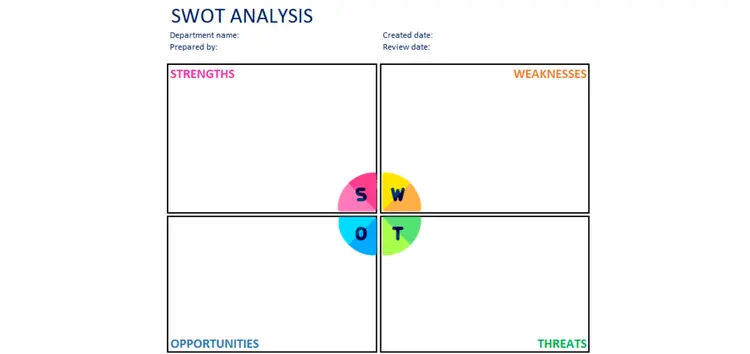
Here is a comprehensive template used for evaluating and aligning the seven key elements of the McKinsey 7S model, helping you understand gaps in organizational performance.
Here is the PDF Template Link.
2. PEST Analysis Template
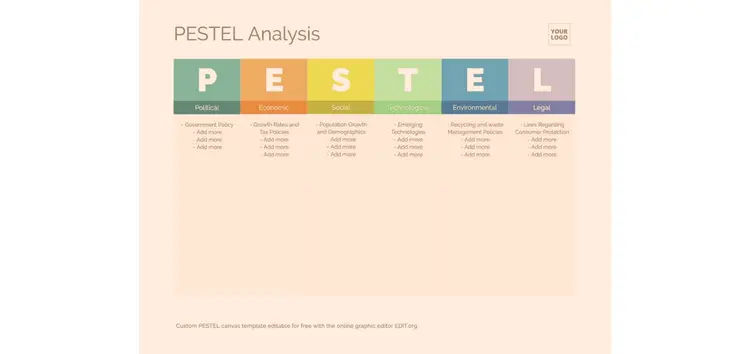
This is a simple grid format template that can be used to analyze external factors (Political, Economic, Social, and Technological) that might affect your organization’s strategy.
Here is the PDF Template Link.
3. Gap Analysis Report Template
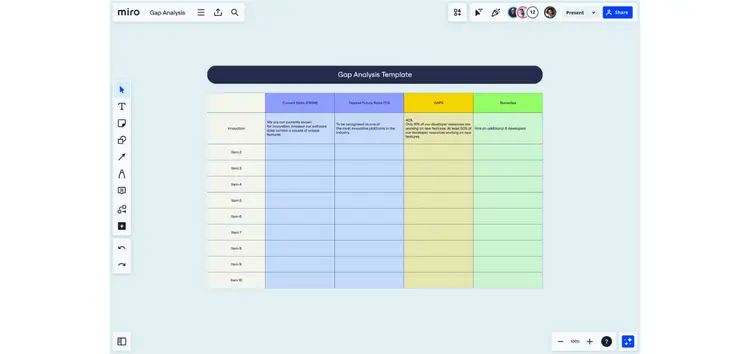
Below is the performance gap analysis template which includes sections for current state, desired state, identified gaps, and action plans. This template is perfect for comprehensive gap analysis reports.
Here is the PDF Template Link.
How to Create Gap Analysis Template?
Creating a gap analysis template is not difficult, but it does take some thought and planning. Here are a few tips to get you started:
- Define the Purpose of Gap Analysis: What are you trying to accomplish? This will help you determine what information needs to be included in the template.
- Choose a Format that will Work Best for your Data: A table or spreadsheet is usually the easiest, but you may want to create a custom gap analysis diagram if you look at many data points.
- Gather the Data you Need to Populate your Template: This may include sales figures, customer satisfaction surveys, operational data, or other relevant information.
- Once you have all your data, it is time to fill in the gaps! Begin by identifying the areas where your organization falls short of its goals. Then, determine what steps need to be taken to close those gaps.
- Use your gap analysis template as a living document. Revisit it regularly to track your progress and make changes as needed.
By following these tips, you can create a gap assessment template that will be invaluable in your quest for continuous improvement.
Examine the top trending upGrad KnowledgeHut's Project Management Courses:
Benefits of Gap Analysis
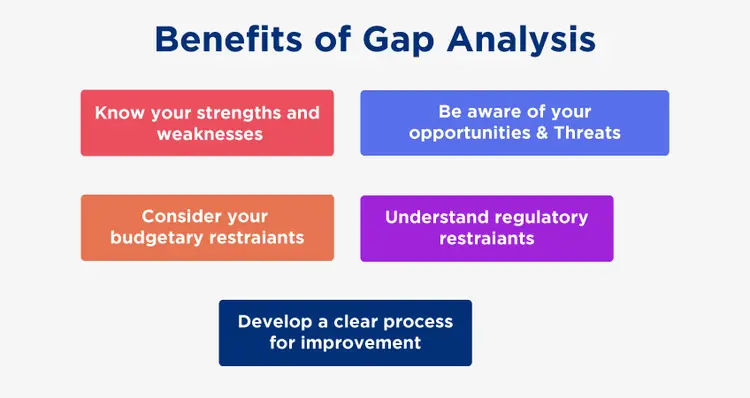
There are many benefits of gap analysis, which include providing a clear roadmap for improvement, identifying areas of potential risk, and fostering a culture of continuous improvement. By taking the time to conduct and create a sample gap analysis template, businesses can set themselves up for long-term success.
- One of the most important benefits of gap analysis is that it provides a clear roadmap for improvement. When businesses know where they currently stand and want to be, they can develop strategies for closing the gap. This process can help businesses to focus their efforts and resources on the most important areas for growth.
- Additionally, gap analysis can help businesses to avoid potential risks by identifying areas where they may be vulnerable. Businesses can develop plans to mitigate these risks and protect themselves from potential problems by conducting a thorough analysis.
- Finally, gap analysis fosters a culture of continuous improvement within an organization. When employees see that their company is constantly striving to improve, it can inspire them to do the same in their work.
By conducting regular gap analyses, businesses can create an environment that supports ongoing growth and development.
Top Cities where Knowledgehut Conduct Project Management Certification Training Course Online
What is so Great About Gap Analysis?
Gap analysis is a tool that can be used to assess what a business or individual needs to do to close the gap between where they are now and where they want to be. Businesses often use it to assess what changes need to be made to improve performance and reach goals.
Gap analysis can be used in any area of life, not just business. For example, you could use it to assess the gap between your current fitness level and where you want to be or between your current knowledge of a subject and where you want to be.
Gap analysis is a valuable tool because it forces you to take a realistic look at where you are and want to be. It can help you identify areas that need improvement, and it can help you develop a plan for how to bridge the gap. If you're stuck in a rut and unsure how to move forward, gap analysis can provide much-needed clarity.
Examples of Gap Analysis
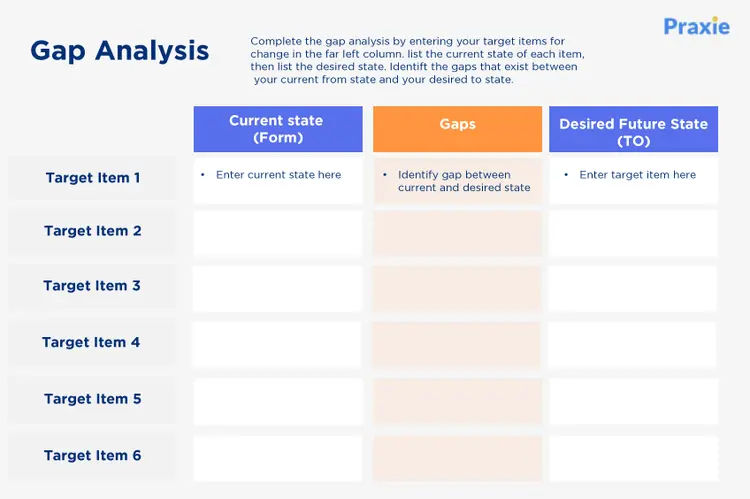
Whether you are looking to improve your training program, assess employee competencies, or identify organizational gaps, you can get valuable insights from gap analysis in project management and other related tasks. When conducting a gap analysis, it is important to remember the specific goals you are hoping to achieve. This will help ensure that you collect the right data and use the most appropriate analysis methods. Common Gap Analysis examples include needs assessments, process improvement studies, customer satisfaction surveys and employee engagement surveys.
- One Gap Analysis example is a needs assessment. A needs assessment determines what an organization needs to achieve its goals. This type of gap analysis typically includes identifying the resources required, assessing the current situation and determining the gaps between the two.
- The next Gap Analysis sample is a process improvement study. This process gap analysis template is carried out to identify opportunities for improving processes and increasing efficiency. It involves assessing the current situation, identifying problems and developing solutions to address those problems.
- Customer satisfaction surveys are also one of the common strategic Gap Analysis examples. These surveys assess customer satisfaction levels and identify areas where improvements can be made. This product gap analysis template typically includes questions about customer experience, product or service perception, and overall satisfaction level.
- Employee engagement surveys fall under the gap analysis used to assess employee morale and engagement levels. These surveys typically include job satisfaction, organizational commitment, and motivation levels.
Gap Analysis Tools
Gap analysis tools are valuable tools that can help organizations identify and bridge performance, market, and strategic gaps and formulate strategies to address identified gaps effectively. Here are some essential gap analysis tools:
- SWOT Analysis: This tool helps identify internal strengths and weaknesses, as well as external opportunities and threats. It’s a simple yet effective method for understanding the current position and areas for improvement.
- Fishbone Diagram (Ishikawa): Also known as the cause-and-effect diagram, this tool helps in identifying root causes of a gap or problem. It’s particularly useful for analyzing quality gaps in processes.
- McKinsey 7S Framework: This tool examines seven key internal elements (strategy, structure, systems, shared values, skills, style, and staff) to identify gaps that may hinder organizational effectiveness.
- Nadler-Tushman Congruence Model: This model analyzes how well components of an organization (work, people, structure, and culture) fit together, helping to identify gaps in organizational performance.
- PEST Analysis: This tool focuses on external factors (Political, Economic, Social, and Technological) that could impact the organization, helping identify gaps in market or strategic positioning.
Unleash your team's potential with our highly-rated best agile training. Embrace change and achieve success through agile management.
Conclusion
The gap analysis template is an essential tool for business owners and managers to assess the strengths and weaknesses of their businesses. It can help identify areas where improvement is needed and provide a roadmap. By taking the time to complete a gap analysis, you may be able to save your business from ruin or give it the boost it needs to reach new heights.
We hope this guide has helped show you how to use the gap analysis template and provides some useful templates and examples to get you started. Have you ever used a gap analysis template before? If not, what’s holding you back? Check KnowledgeHut Project Manager training to thoroughly understand the aims, goals, and applications of Gap Analysis in project management. All in all, gap analysis is an important tool for organizations to use to assess needs, identify opportunities and improve performance.
Frequently Asked Questions (FAQs)
1. How do I create a gap analysis template?
To create a gap analysis template, you must first identify the factors you want to measure. Once you have identified the factors, you will need to determine each factor's current and desired state. Finally, you will need to calculate the gap between the current state and desired state for each factor. The gap analysis template can then be used to develop a plan of action for closing the gaps.
2. What are the three 3 fundamental components of a gap analysis?
A gap analysis is typically composed of three key elements: the current state, desired state, and the gap between the two. The current state represents where an organization is present in terms of its processes, systems, or capabilities. The desired state signifies where the organization would ideally like to be. And finally, the gap is the distance between the current and desired states.
3. How do I create a gap analysis in Excel?
To create a free gap analysis template in excel, enter the company's desired level of performance in one column. Then, in the adjacent column, enter the company's actual level of performance. Next, subtract the actual from the desired level to calculate the gap.
Finally, format the cells to highlight any areas where the gap is particularly wide. By using gap analysis, businesses can identify areas where they are underperforming and take steps to close the gap.
4. What is a gap analysis document?
A gap analysis document template is a report that identifies the gulf between an organization's current state and its desired future state. The goal is to identify any existing gaps in skills, knowledge, processes, etc., that must be addressed to reach the desired state.
Gap analysis can be used in various contexts, such as when launching a new product or service, developing a new strategy, or implementing a new process or system. In each case, the goal is to ensure that all requirements are met to achieve the desired outcome.
454 articles published
Kevin D. Davis is a seasoned and results-driven Program/Project Management Professional with a Master's Certificate in Advanced Project Management. With expertise in leading multi-million dollar proje...
Get Free Consultation
By submitting, I accept the T&C and
Privacy Policy