
- Home
- Blog
- Project Management
- What Does a Project Coordinator Do? Roles and Responsibilities
What Does a Project Coordinator Do? Roles and Responsibilities
Updated on Mar 28, 2024 | 10 min read | 5.28K+ views
Share:
Table of Contents
View all
Have you ever wondered how complex projects come to life, from groundbreaking buildings to cutting-edge software? The answer lies not just in brilliant ideas and hard work, but also in the meticulous organization of a Project Coordinator. They ensure projects run smoothly and efficiently, from conception to completion. Imagine a project as a complex puzzle – the Project Coordinator is the one who gathers all the pieces, ensures they fit together seamlessly and keeps the entire picture clear. They act as a central hub, coordinating diverse teams like engineers, architects, or IT specialists, depending on the project. They juggle schedules, resources, and communication, anticipating and solving problems before they derail progress.
As a project coordinator myself, I know that Project Coordinators are the glue that holds everything together. They're in high demand across various industries, with prominent employers including construction firms, government agencies, and technology companies. If you're detail-oriented, enjoy a good challenge, and thrive in a fast-paced environment, then a career as a Project Coordinator could be the perfect fit. In this blog post, we will understand what a project coordinator does, the skills needed to succeed, and the diverse opportunities this role offers.
Ultimate PMP Formula Cheat Sheet
Get a quick, exam-ready PMP cheat sheet with all essential formulas and key concepts in one place.
Who is a Project Coordinator?
Let's start by understanding what a project coordinator does. A Project Coordinator is a vital member of the Project Management team, serving as the main point of contact for all project-related activities. They support the Project Manager and handle various tasks related to the project. This includes coordinating resources, interacting with different project teams, and ensuring that all project activities are well-managed.
Report directly to the project manager. The duties of a project coordinator include keeping them informed about the project's day-to-day progress. They assist in organizing resources, scheduling meetings, and facilitating communication among team members. The primary objective of a Project Coordinator is to ensure that projects are completed on time and within the allocated budget. They play a crucial role in maintaining project efficiency and effectiveness. Becoming a project coordinator typically requires a specific skill set, including organizational skills, communication abilities, time management, and a solid understanding of project management principles. Courses, including online Project Management training, will train you with the necessary skills and knowledge required to become a project coordinator.
What Does a Project Coordinator Do?
What do project coordinators do? The project coordinator ensures the smooth execution of project activities. Their role involves a diverse set of responsibilities ranging from assisting the Project Manager in planning and scheduling to acting as a liaison between clients and team members. Let's break down some key points:
- Organizing and Coordinating Activities: The project coordinator will be responsible for ensuring that project activities are well-organized and coordinated. This involves keeping track of timelines, resources, and tasks.
- Assisting the Project Manager: They will support the Project Manager in various tasks such as planning, scheduling, controlling, and monitoring projects. This support is essential for the overall success of the projects.
- Monitoring Project Scope, Timeline, Budget, and Quality: The project coordinator will keep a close eye on various aspects of projects, including scope, timeline, budget, and quality. This requires attention to detail and analytical skills.
- Managing Stakeholder Relationships: Building and managing relationships with stakeholders is crucial for project success. The project coordinator will play a vital role in this aspect by communicating project-related activities effectively.
- Preparing Project Presentations and Documentation: They will assist in preparing project presentations and documentation for reviews or approvals by higher management or clients. This requires strong communication and presentation skills.
- Adhering to Company Standards and Safety Protocols: Ensuring that all projects adhere to company standards and safety protocols is essential for maintaining quality and minimizing risks.
- Communication and Interpersonal Skills: Effective communication and interpersonal skills are essential for a project coordinator to interact with team members, clients, and other stakeholders.
By understanding the work of a project coordinator, individuals can effectively facilitate the successful planning, execution, and completion of projects within an organization.
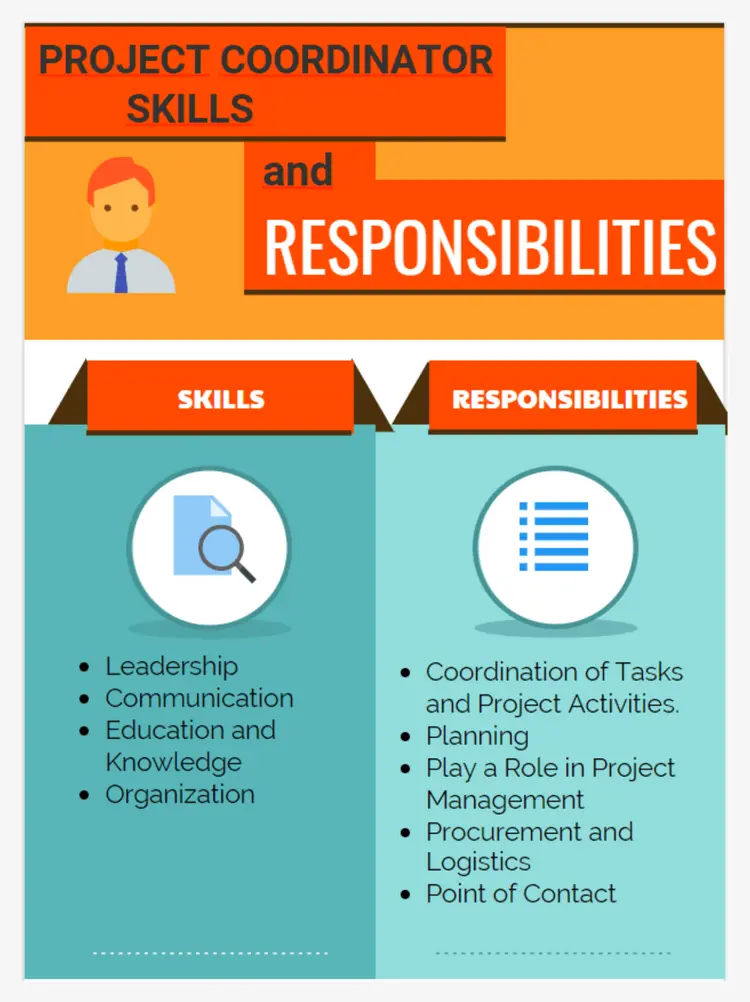
Project Coordinator Roles and Responsibilities
What are the responsibilities of a project coordinator? The role of project coordinator is multifaceted and flexible, shaped by factors such as the organization's size, industry, and the unique requirements of each project. It consists of a wide range of responsibilities aimed at maintaining project efficiency and alignment with organizational objectives. Typical tasks include coordinating project schedules, addressing issues as they arise, managing project budgets, and providing regular updates on project progress to company executives. By fulfilling these duties, project coordinators help ensure that projects remain on course and operate smoothly with minimal disruptions.
For those interested in pursuing a career as a project coordinator or enhancing their project management skills, obtaining relevant training is essential. KnowledgeHut's best Project Management training offers some of the best project management training courses available.
1. Entry-Level
For a junior project coordinator position, typically, 1-3 years of relevant experience in project coordination, administration, or a related field is often required. Entry-level roles like this typically focus on supporting more experienced project managers or coordinators in various tasks related to project planning, execution, and monitoring.
Roles:
Junior project coordinators collaborate with team members on assigned projects, establishing a mutually agreed timeline and schedule. They regularly touch base with the team to monitor progress and ensure alignment with initial goals and priorities throughout the project lifecycle.
Responsibilities:
- Supporting Project Planning: Assisting in developing project plans, timelines, and schedules.
- Coordinating Meetings: Scheduling and organizing meetings, preparing agendas, and taking meeting minutes.
- Document Management: Maintaining project documentation, including reports, action items, and project files.
- Communication: Facilitating communication among team members, stakeholders, and external partners.
- Task Tracking: Monitoring progress on project tasks, identifying delays or issues, and reporting to senior team members.
- Administrative Support: Providing administrative assistance such as arranging travel, preparing expense reports, and managing project-related logistics.
- Quality Assurance: Assisting in ensuring project deliverables meet quality standards through reviews and testing processes.
- Learning and Development: Participating in training programs to enhance project management skills and knowledge.
- Assisting in Risk Management: Supporting the identification and mitigation of project risks under the guidance of senior team members.
2. Mid-Level
For a mid-level project coordinator position, candidates typically need to have gained around 3-5 years of relevant experience in project coordination, project management, or a related field. Mid-level roles often involve more responsibility and autonomy compared to junior positions, with a greater emphasis on independently managing aspects of project planning, execution, and monitoring.
Roles:
A mid-level project coordinator typically serves as a vital intermediary between project managers and team members. They play a crucial role in facilitating various stages of project planning, execution, and monitoring.
Responsibilities:
Mid-level project coordinator responsibilities typically involve:
- Assisting with Project Planning: Contributing to the development of project plans, schedules, and budgets under the guidance of senior project managers.
- Coordinating Project Activities: Facilitating communication and collaboration among team members, ensuring tasks are assigned and completed on time.
- Monitoring Progress: Tracking project milestones, identifying potential delays, and reporting progress to project managers.
- Managing Documentation: Organizing and maintaining project documentation, including meeting minutes, action items, and status reports.
- Supporting Stakeholder Communication: Assisting with communication efforts by drafting emails, preparing presentations, and coordinating meetings with stakeholders.
- Risk Identification and Mitigation: Identifying project risks and assisting in developing mitigation strategies to address them.
- Quality Assurance: Ensuring project deliverables meet quality standards through reviews and testing processes.
- Budget Tracking: Assisting in tracking project expenses and monitoring adherence to budgetary constraints.
- Team Support: Providing administrative support to project teams, including scheduling meetings, arranging travel, and managing project-related logistics.
- Continuous Improvement: Contributing to process improvement initiatives by suggesting efficiency enhancements and best practices.
3. Senior-Level
Senior level project coordinator role typically requires at least 5-7 years of relevant experience in project coordination, project management, or a related field. Senior roles require a higher level of expertise, leadership, and responsibility compared to junior or mid-level positions.
Roles:
A senior project coordinator serves as an integral member of the management team and is responsible for ensuring the seamless integration of various project components. The primary emphasis within these component relationships is on attaining predefined goals and objectives.
Responsibilities:
- Project Planning and Strategy: Leading the development of project plans, timelines, and strategies in collaboration with project managers and stakeholders.
- Team Leadership and Management: Providing guidance and direction to junior project coordinators and project teams, ensuring tasks are assigned effectively and deadlines are met.
- Stakeholder Communication: Serving as the main point of contact for project stakeholders, including clients, senior management, and external partners, and providing regular updates on project progress and milestones.
- Resource Allocation: Managing project resources, including budget, personnel, and materials, to ensure optimal utilization and cost-effectiveness.
- Risk Management: Identifying potential risks and developing mitigation strategies to minimize project disruptions and ensure successful project delivery.
- Quality Assurance: Overseeing the quality of project deliverables and ensuring they meet the required standards and specifications.
- Project Monitoring and Reporting: Tracking project progress, monitoring key performance indicators, and preparing comprehensive reports for senior management and stakeholders.
- Continuous Improvement: Identifying opportunities for process improvement and implementing best practices to enhance project efficiency and effectiveness.
- Conflict Resolution: Addressing conflicts or issues that arise during project execution and facilitating resolution to ensure smooth project operations.
- Mentorship and Training: Providing mentorship and guidance to junior project coordinators and team members and facilitating training sessions to develop their project management skills.
Essential Skills for a Project Coordinator
To qualify as a project coordinator, you need to have the appropriate skills and competencies. Enrolling in a PMP certification program will equip you with the essential skills and knowledge needed to excel in this role. Below is the education and work experience required to pursue this role:
Let us look at the essential skills of a project coordinator:
- Documentation Management: Organize and maintain project documents like statements of work, governance plans, and status reports.
- Conduct In-depth Research: Gather and analyze project-related information to support decision-making.
- Sourcing and Procurement Skills: Acquire necessary resources and equipment for project execution.
- Analytical Skills: Analyze data to identify risks and make informed decisions about project scope, timeline, and budget.
- Problem-solving Abilities: Identify and resolve issues promptly while anticipating potential risks.
- Interpersonal and Communication Skills: Communicate effectively with project managers, sponsors, stakeholders, and the project team.
- Client Management Skills: Build rapport with clients and provide regular updates on project status and progress.
- Team-management Skills: Develop schedules, communicate deadlines, and track work progress to ensure timely completion.
- Finance and Accounting Skills: Maintain project finances and allocate budgets effectively.
- Organizational Skills: Coordinate and prioritize tasks to ensure project completion within deadlines and budget.
- Microsoft Office Proficiency: Excel in using MS Office tools for project documentation and communication.
- Time Management: Ensure project activities adhere to schedules and team members meet deadlines.
- Multi-tasking: Handle multiple projects simultaneously, coordinating various aspects and communicating risks and issues effectively.
- Strong Negotiation Skills: Prepare thoroughly, listen attentively, and communicate clearly to negotiate effectively.
- Clear Communication: Concisely communicate project updates, deadlines, and changes to stakeholders for effective project management.
Why Pursue a Career as a Project Coordinator
Launching a fulfilling career as a Project Coordinator offers a unique blend of challenge and reward. Here's why it might be the perfect fit for you:
- Impactful Contribution: Play a pivotal role in ensuring projects are completed successfully, on time, within budget, and to high-quality standards.
- Stepping Stone: This role provides a solid foundation for future growth. You can specialize in specific areas or leverage your experience to transition into Project Management roles.
- Diverse and Rewarding Work: Engage in a variety of projects across different industries, offering continuous learning and development opportunities.
- Collaborative Environment: Work closely with multidisciplinary teams and stakeholders, fostering strong relationships and teamwork.
- Skill Development: Hone essential skills in project planning, coordination, communication, problem-solving, and leadership. Enrolling in courses such as PRINCE2 Foundation and practitioner courses will help you develop the necessary skills.
- Career Advancement: Benefit from opportunities for career growth and progression as you gain experience and expertise in project management.
- Tangible Results: Experience the satisfaction of seeing tangible outcomes and making a meaningful impact on project and organizational success.
Conclusion
In conclusion, the role of a project coordinator is indispensable in ensuring the seamless flow of projects from planning to execution stages. Project managers rely on the meticulous reports and documentation maintained by project coordinators to gain insights into the daily progress of projects, including resource allocation, costs, and timelines. Serving as the primary point of contact for project-related information, project coordinators play a pivotal role in facilitating effective communication among team members and stakeholders.
Moreover, project coordinators collaborate closely with project managers to ensure that projects align with the organization's overarching goals. By providing valuable support and assistance, they contribute significantly to the overall success of projects. Ultimately, the dedication and expertise of project coordinators are instrumental in driving project outcomes and delivering value to the organization.
Frequently Asked Questions (FAQs)
1. Can a Project Coordinator advance to a Project Manager role?
Many Project Managers started their careers as Project Coordinators. With the right experience, skills, and opportunities, Project Coordinators can advance to Project Manager roles where they have more responsibility and authority over project outcomes.
2. Is certification necessary to become a Project Coordinator?
While certification is not always necessary, it can be beneficial. Certifications such as Project Management Professional (PMP), Certified Associate in Project Management (CAPM), or PRINCE2 Foundation can provide formal validation of project management knowledge and skills, which may enhance career prospects.
3. What challenges does a Project Coordinator face?
Project Coordinators face various challenges in their roles, including time management, communication, problem-solving, stakeholder management, and resource management. Balancing multiple tasks, deadlines, and priorities while ensuring effective communication and managing relationships with stakeholders can be demanding. Additionally, addressing issues and challenges as they arise and effectively managing project resources are key challenges for Project Coordinators.
454 articles published
Kevin D. Davis is a seasoned and results-driven Program/Project Management Professional with a Master's Certificate in Advanced Project Management. With expertise in leading multi-million dollar proje...
Get Free Consultation
By submitting, I accept the T&C and
Privacy Policy