
Agile Product Delivery: Principles, Benefits, Implementation
Updated on Aug 13, 2025 | 1.77K+ views
Share:
Companies are caught in a sea of competition trying to deliver products at the right time. Customers aren’t ready to compromise on quality today and are critical of any mistakes.
This has led to traditional delivery models playing a losing game. These rigid and unflexible models swapped for Agile Product Delivery. Organizations need to focus on continuously delivering value without stopping rapid evolution.
Agile Product Delivery enables product development to evolve along with changing market needs. In this blog, we will dive deep into what Agile Product Delivery is. Let's explore its importance, principles, benefits, implementation, and challenges.
Master the Right Skills & Boost Your Career
Avail your free 1:1 mentorship session
What is Agile Product Delivery?
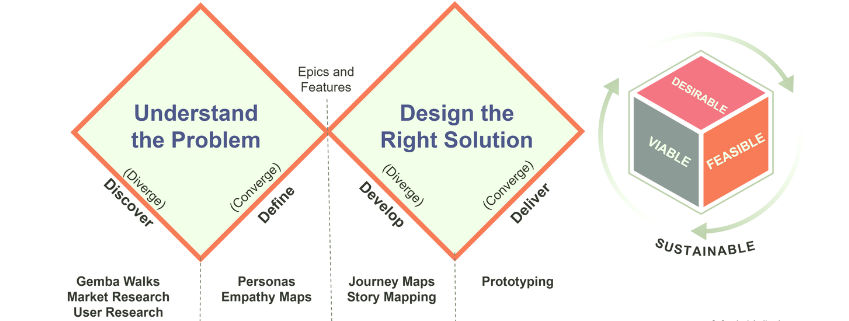
Agile Product Delivery is a customer-centric approach for product delivery. This is done by delivering products and services in small, incremental releases. Based on Agile principles, the following are a major part of product development:
- Continuous feedback from customers
- Cross-functional collaboration
- Adaptive planning
In traditional delivery cycles, teams follow a fixed plan over a long timeline. On the other hand, Agile Product Delivery follows shorter iterative cycles - sprints. Sprints allow teams to test their assumptions, leading to course correcting early on. This can also reduce risks.
This approach helps teams to align their products to customer expectations. Every release is ensured to deliver measurable value. Agile Product Delivery prioritizes timely release of value over speed. It is done through various Agile frameworks such as Scrum, SAFe, or Kanban. DevOps practices are also integrated here.
If you’re looking to improve your organization’s Agile implementation, take a look at the best Agile training courses.
Source: scaledagile
Why is Agile Product Delivery Important?
Today's rapidly changing era brings a lot of variables to product development:
- Market leaders change overnight
- Technologies fall as quickly as they emerge
- Customer preferences change between releases.
Teams need to be able to adapt and respond in a manner that doesn’t derail product vision. Flexibility has changed from something additional to a core requirement.
Agile Product Delivery is prevalent in such situations. It enables organizations and teams to be flexible without affecting business goals. By keeping responsiveness at its core, teams can pivot without any loss of momentum. Customer feedback is integrated earlier in the development process. This allows teams to deliver products confidently in these uncertain times.
Teams can channel their response to change into a strategic advantage with this. Timing and relevance are crucial to many industries today. A mature agile implementation can dictate the difference between market leaders and close competition.
Core Principles of Agile Product Delivery
Agile Product Delivery is built around 4 core principles. They shape how teams work, reach decisions, and adapt. These principles help the organization align towards meaningful outcomes.
1. Collaboration
All teams involved in development need to have shared ownership of the final product. Agile teams have everyone work together as a single cohesive unit.
Here are some ways how collaboration is present in Agile Product Delivery:
- Teams are cross-functional, eliminating silos. This speeds up the decision-making process.
- Communication is done in a transparent manner. This helps everyone understand priorities. Progress is visible to everyone.
- Stakeholders are engaged continuously during development. This ensures that delivery is aligned with strategic goals.
2. Customer Focus
Customers are a key aspect of Agile Product Delivery. User needs are at the heart of product development. This ensures that every release focuses on solving relevent problems.
Here are some ways how customer focus is present in Agile Product Delivery:
- Feedback loops are integrated throughout development. This is done through user testing, beta releases, and surveys. Assumptions are eliminated by the presence of customer feedback.
- Designs are made with an empathy-driven approach. This ensures that the product is relevant and user-friendly.
- Market research is done regularly. These insights guide the the product roadmap.
3. Value-Based Prioritization
Ideas are prioritized based on their value. The focus is given to features and ideas that deliver the highest value. This helps balance customer needs with business objectives.
Here are some ways how value-based prioritization is present in Agile Product Delivery:
- Backlog grooming and refinement is focused on high-impact items. This ensures features delivering high value are always refined to meet customer needs.
- Prioritization is driven through relevant data. This helps consider ROI, risk, and urgency of each idea.
- Ideas that are uncertain or low value are tested in small increments. This helps in deciding if it is a worthwhile investment.
4. Iterative Development
The Agile Product Delivery framework delivers products in small and manageable increments. This sets the way for a frequent delivery of value. It also reduces risks with a high adaptability rate.
Here are some ways how iterative development is present in Agile Product Delivery:
- Rapid feedback happens through these short iterations. It allows for course correction early on, reducing the amount of work that needs to be redirected.
- Quality practices are part of the development, so each release is stable. Test automation and continuous integration are examples of some of these practices.
- Regular retrospectives allow each iteration to be a learning opportunity.
Agile Product Delivery turns into an organization’s culture by focusing on these principles. Teams can navigate uncertainty and stay aligned with changing market demands. This culture also leads to delivering products that truly matter.
How to Implement Agile Product Delivery?
Agile Product Delivery isn’t merely about adopting a framework. Organizations need to rethink how they deliver value. Implementing this framework requires structural changes done alongside shifts in culture. This ensures it is done in an intentional manner with support from everyone.
Swift delivery can only be done when everyone is aligned. Let us look at how to do it.
1. Define Your Vision and Goals
Organizations need to have a clear vision and goal before they begin. A clear product vision allows every process to be done keeping the bigger picture in mind.
2. Build Cross-Functional Teams
Teams need to be structured in a cross-functional manner. This enables decision-making without going through multiple layers of approval. Such teams will have all the skills required to deliver end-to-end value.
3. Adopt the Right Framework
Select the right framework best suited for your organization. Scrum is best suited for rapid iterations. Kanban can be implemented for continuous flow. SAFe allows Agile to be scaled across multiple teams.
4. Prioritize Customer Feedback
There should be structured feedback loops that are done on a regular basis. This helps to validate ideas before and during the development process. Prototypes, beta releases, and surveys are a few examples of feedback loops.
5. Integrate DevOps Practices
Integrating common DevOps practices will maintain speed without compromising on quality. Continuous integration, automated testing, and development pipelines are the most common DevOps practices.
6. Measure and Adapt
There needs to be some metrics which can track performance. Metrics like lead time, release frequency, and customer satisfaction can easily be tracked. Consistently tracking them can help identify areas for improvement.
7. Foster a Culture of Improvement
Everyone needs to be encouraged to experiment and innovate. This can only be done when everything is transparent across teams. Retrospectives should also be tailored to identify opportunities for improvement.
Implementing Agile effectively is crucial to any organization. Take a look at upGrad KnowledgeHut’s best Agile training programs.
Agile Product Delivery Lifecycle
Agile Product Delivery doesn’t follow a single straight line. The components of Agile Product Delivery follow a cyclical loop focusing on improvement. Agile teams follow them in a repeated manner. Learnings are applied the next time, leading to continuous refinement.
These are the steps involved in the lifecycle:
1. Ideation
Ideas are collected from different sources. Concepts are validated before investment. Here are examples of a few sources for idea gathering:
- Market research
- Customer insights
- Internal innovation
2. Planning
Roadmaps are created once ideas are finalized. Short-term priorities are aligned with long-term business objectives.
3. Development
Development is done in small sprints. This opens space for frequent testing and reviews from stakeholders. Such practices ensure that value delivery is prioritized.
4. Release & Delivery
Features should be deployed at frequent intervals. Deployment should be done only if the release is valuable and usable by customers.
5. Measurement & Feedback
The performance of each release should be tracked. This is done by collecting customer feedback and analyzing these results.
6. Improvement
Feedback is sent and a plan is made for feature refinement. This is resolved during the next sprint as a backlog item.
This loop is repeated by keeping teams aligned with customer needs. Development continues by reducing waste without losing sight of changes in the market.
Benefits of Agile Product Delivery
Organizations that adopt Agile Product Delivery can see a lot of benefits. This transformation goes beyond a shift in processes. Organizations see benefits that aren’t just about delivering value swiftly.
Let's look at some key benefits of this approach.
1. Faster Time-to-Market
Shorter delivery cycles allow products and features to reach the market faster. This allows businesses to capitalize on opportunities quickly. It is also the best way to earn a competitive edge over competitors.
2. Higher Customer Satisfaction
Keeping customers involved using constant feedback loops is another benefit. The early presence of users helps teams to focus on customer satisfaction. Real-world expectations are met in the first release.
3. Reduced Risk
Approaching ideas in smaller increments reduces the chance of costly failures. Course correction is possible early on. Waste is also reduced because of the smaller increments being followed.
4. Improved Team Morale
Faster release of value shows teams immediate impact of their work. This leads to increased morale. Teams are also empowered to work towards the next release.
5. Better ROI
Value-based prioritization helps teams avoid unnecessary work. This also allows resources to be allocated for better release of value. Organizations can also see quick and visible turnarounds in business outcomes.
Common Challenges in Agile Product Delivery
Despite the significant advantages of Agile Product Delivery, proper implementation is difficult. Teams need to understand possible hurdles before implementation. This allows organizations to have mitigation strategies in place before implementation.
Let's look at the most common challenges in implementing the Agile Product Delivery Model.
1. Misalignment Between Business and Delivery Teams
The expected business vision should be clearly communicated to all teams. This ensures that priorities are set with business goals in mind. Defined roadmaps and transparent communication can help avoid this.
2. Scope Creep
Any changes in scope should be formally approved and categorized. Informal changes in scope will not account for delays in timeline or resource allocation. This can hamper delivery and impact team morale.
There are some ways to mitigate this from happening:
- Having structured change management process in place
- Disciplined backlog management
- Keeping stakeholders involved in decision-making
3. Inconsistent Feedback Loops
Irregular and poorly structured customer feedback can become a hindrance. This can lead to teams working towards the wrong goals while customer needs continue to evolve. Customer feedback loops should be structured with clear objectives in place.
4. Resistance to Change
Transitioning from previous systems to a completely flexible one faces resistance. Strong leadership with the right training eases adoption.
5. Lack of Built-in Quality
Keeping the focus solely on swift delivery can lead to decreased quality. Having quality safeguards in place from the start is critical. This ensures that customers will only receive products and features with the highest quality.
Summing Up
Embracing Agile Product Delivery helps organizations align better with customer needs. This is crucial in today‘s swiftly changing market. The various benefits of adopting this framework make it a valuable shift from traditional methods.
Organizations need to be careful while they implement Agile delivery practices. This will help avoid common challenges and take the market by storm.
Organizations that master this model will be able to thrive on change and stop their survival story.
Frequently Asked Questions (FAQs)
1. What are the three dimensions of Agile product delivery?
These are the three dimensions of Agile product delivery:
- Customer Centricity and Design Thinking
- Develop on Cadence, Release on Demand
- DevOps and the Continuous Delivery Pipeline
2. What is the Agile model of service delivery?
This is a flexible approach to develop and deliver services that prioritize customer needs. Teams can continuously deliver value. Projects are broken down into smaller and manageable iterations, also called sprints.
3. What is meant by product delivery?
This is the entire process of a product reaching from the seller to customers who will use it. It covers all activities involved in creating and delivering a product. Some of them include planning, developing, testing, marketing, and the final delivery.
4. What are Agile delivery principles?
These are the core values and concepts that guide the Agile methodology. These 4 principles emphasize flexibility, collaboration, and customer satisfaction. They help teams deliver value without compromising on quality, speed, and customer satisfaction.
1639 articles published
KnowledgeHut is an outcome-focused global ed-tech company. We help organizations and professionals unlock excellence through skills development. We offer training solutions under the people and proces...
Get Free Consultation
By submitting, I accept the T&C and
Privacy Policy
Ready to learn about Agile Certifications Roadmap?