
- Home
- Blog
- Project Management
- How To Become a Project Manager From Software Engineer?
How To Become a Project Manager From Software Engineer?
Updated on Jul 10, 2025 | 11 min read | 6.24K+ views
Share:
Table of Contents
View all
- Who is a Project Manager?
- What Does a Project Manager Do?
- What Does a Software Engineer Do?
- Skills for Becoming a Project Manager From a Software Engineer
- How to Become Project Manager from Software Engineer?
- Why Transition From Software Engineer to Project Manager?
- Challenges on Transforming to a Project Manager
- Conclusion
The widespread adoption of project management across industries such as software development has made it a lucrative career choice for software engineers.
Software engineers gain a broad understanding of the product lifecycle, how to manage stakeholders and team coordination. These are vital skills for project management, making the transition from software engineering to project management a viable one. It also allows professionals to lead teams while providing impact that aligns closely with business objectives.
Let's look at different aspects of making the transition from being a software engineer to a project manager.
Ultimate PMP Formula Cheat Sheet
Get a quick, exam-ready PMP cheat sheet with all essential formulas and key concepts in one place.
Who is a Project Manager?
Every project has someone responsible to drive it from ideation to delivery with a close eye on adhering to the defined scope and timelines without exceeding the budget. That person is the project manager.
They are the central point of coordination and communication between cross-functional teams, clients and stakeholders. One of their key responsibilities is to ensure that everyone is onboard and aligned with the project goals.
Project managers oversee a broader picture that expands beyond technical implementation to factors such as resource allocation, timeline management, risk mitigation and quality assurance.
Project managers use frameworks such as Agile, Scrum and Waterfall to manage workflows across teams. Problem solving, leadership, communication and stakeholder management are skills essential for a project manager’s success.
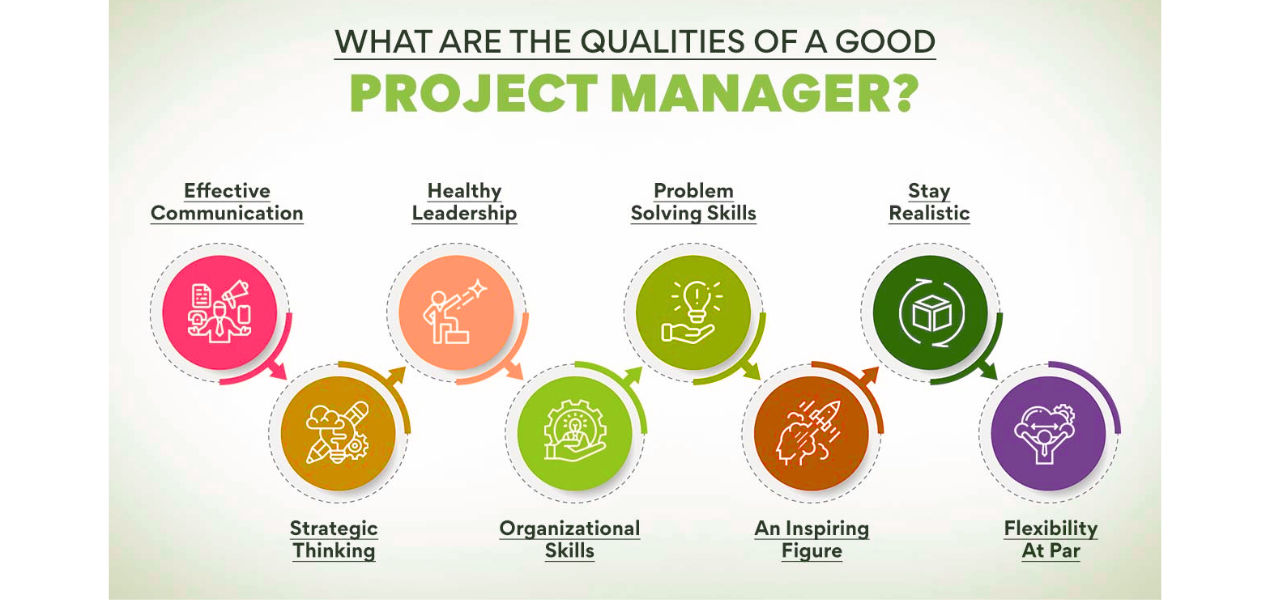
Source: Source: Edureka
What Does a Project Manager Do?
A project manager oversees work, from all concepts to deliveries. This professional plans, organizes and executes projects while considering clients' budgets and schedules. They lead teams across various organizations and industries, establishing goals and communicating with stakeholders to complete multiple projects on time.
Project managers oversee an entire project and guide the team accordingly. This is why the role has recently gained significance across every industry, with many software engineers aspiring to excel in this role.
Let us first understand the roles and responsibilities of a project manager to understand how to transition from being a programmer to project manager. These are mentioned below.
- Lead and communicate teams along with stakeholders.
- Handle the delegation of tasks within a particular organization.
- Adapt projects creatively to avoid errors or mishaps.
- Define the scope of a particular project to everyone.
- Remain on schedule and complete the project on time.
- Set the required budget as well as a timeline for all projects.
- Document each project’s development with time.
- Assess risks and engage in different troubleshooting activities.
- Lead quality assurance across all projects.
What Does a Software Engineer Do?
My knowledge about software engineering is that these professionals help meet client requirements by providing the most efficient solutions. Not only that, but they are also responsible for working on web applications, content management systems, databases, and operating systems. I believe several analytical and problem-solving skills are essential to excel in this role. So, it is beneficial if your experience goes beyond making digital products that assist in better user experiences.
Let me highlight a software engineer’s roles and responsibilities in detail below:
- Build specific operating systems for user applications.
- Integrate different software products under a single unique platform.
- Serve as system architects or general managers as per the requirement.
- Design IT standards and their implementation.
- Maintain IT documentation and technology trends.
- Write and test different project test codes.
- Consult with stakeholders, as well as security specialists.
- Present unique technological features to all customers and stakeholders.
So, how to go from software engineering to project management? Software engineers often work with graphic designers, marketers, customer success staff, and project managers. As a result, they already have a basic understanding of what it takes to make the transition. It involves a shift from technical problem-solving to arranging teams while combining leadership abilities with technical skills.
Skills for Becoming a Project Manager From a Software Engineer
Software engineers may have mastered multiple skills through their experience in various companies. However, these skills may not be enough when someone wants to learn how to become project manager from software engineer. That is why you need some extra skills to excel in this field. Courses like the PRINCE2 certification training course can further enhance your skills. Let me give you a detailed description of the skills required for a project manager’s transition from a software engineer.
1. Website Coding
Project management requires different skill sets related to website coding for every business. I consider estimation and scheduling the two most important focus areas for all project managers. According to my experience, coding skills are necessary. If you want to learn more, work on projects to understand the technical intricacies.
On the other hand, coding skills are also important for estimation, enabling project managers to collaborate effectively with the production management team. Developing this skill will help you transition from a software engineer to a project manager.
2. Understanding User Experience
To succeed as a project manager, you must maintain open communication lines with users. I recommend you provide timely updates to stakeholders and clients. Effective internal communication and collaboration are also essential for enhancing user experience. I had earlier chosen KnowledgeHut’s training in Project Management to understand such processes efficiently.
3. Data Analytics
When transitioning from software engineering to project management, you must understand data processing, engineering, and management techniques. This is because data analytics will help you address major and minor issues associated with the project. Such insights will help you know how to become project manager from software engineer.
Data-driven insights also provide information about the project team's performance. You may also need to troubleshoot various aspects, often involving tasks related to development and engineering.
4. Alerting Systems and Experience with Dashboards
Experience with dashboards and alerting systems is necessary to learn how to become project manager from software engineer. These skills will help you easily create and maintain documents and enable you to become an adept project manager.
5. Product-Test-Optimize Feedback Loop
You must know how to align project management with testing and optimization to transition from a software engineer to a project manager easily.
6. Diplomacy
As a project manager, I have collaborated with diverse teams and stakeholders. Therefore, mastering conflict resolution and diplomatic skills is important. It will help you maintain relationships and promote collaborative work environments. Diplomacy further guides you on how to become project manager from software engineer.
7. Critical Thinking
Effective decision-making often relies on strong critical thinking abilities. You must possess these skills to analyze complex situations and make informed choices aligned with your project objectives.
8. Problem-Solving
You must know how to check on team members as they solve major and minor issues associated with the project. There may be instances where you have to troubleshoot problems yourself. The process involves accomplishing tasks associated with development and engineering. It will help you work more on your problem-solving skills eventually and learn how to become project manager from software engineer.
How to Become Project Manager from Software Engineer?
Transitioning from a software engineer to a project manager is very smooth. However, you must have at least three years of experience as a software engineer to enter the project management field. As of now, I have added some successful tips for this transition.
1. Gain a Speciality
The process of project manager transition from software engineer begins with gaining a specialty in project management. You can explore courses like the PMP Prep Course to get comprehensive insights into the subject. The course covers strategic planning, resource allocation, and risk management in project development. These courses will also help you get a better clarity on how to become project manager from software engineer.
2. Get a Certificate
Visit reliable platforms like KnowledgeHut to gain expertise in relevant areas of project management. The skill sets you gain will also help you transition smoothly to project management. Such certifications will enable you to gather domain expertise that caters to distinct aspects of projects across industries.
3. Research Project Management Roles
I feel project management is a diverse field with multiple roles. That is why you need to research the roles associated with project managers. It will help you analyze the process of project execution along with specialized skills that cater to diverse demands. Such management roles will help you understand how to become project manager from software engineer.
4. Leverage Your Network
One of the most valuable skills you can develop throughout your professional journey is your networking ability. I also recommend establishing connections with your clients, shareholders, or stakeholders to leverage your network for better professional opportunities in project management.
5. Sharpen Your Soft Skills
While technical expertise is essential for becoming a project manager, I cannot rule out the need for soft skills that help bind teams and foster project collaboration. Effective communication, team collaboration, and conflict resolution abilities remain the most important prerequisites for a project manager.
6. Learn Constantly
Learning never ends for professionals, as does for individuals aspiring to become project managers. Project management is evolving and demands your commitment to learning new things daily. It also requires you to understand multiple avenues to realize your pursuit.
7. Use Project Management Tools
To achieve all your project goals on time, consider seeking help from several project management tools. I advise using popular ones like Asana, Trello, or Jira to get the hang of their features. You can assign tasks during different meetings or manage budgets using such tools. Everything associated with a particular project remains documented in these tools for further use and reference. Such tools help you learn how to become project manager from software engineer.
8. Revise Your Cover Letter and Resume
Updating your cover letter and resume is essential as you acquire project management skills. This process will help you understand the differing roles and responsibilities of a software engineer and a project manager, which can vary depending on your industry expertise and skill sets. Therefore, revising all documents containing your professional details is crucial to ensure a smooth transition into a project manager.
Why Transition From Software Engineer to Project Manager?
If you are a software engineer who desires to achieve more with efficient skills, transitioning to another position can be the perfect step for you. It is where I recommend learning how to become a project manager from a software engineer. It will help you embrace a people-centric approach and make yourself skilled in overcoming technical challenges that often become project roadblocks. The most undeniable perks I can highlight here are the potential for career enhancement and the chance to impact your organization significantly.
Challenges on Transforming to a Project Manager
Transitioning from software engineering to project management isn’t just about a job title, it also requires you to have a shift in mindset, skills and responsibilities. Let's look at some common challenges you can face when making this transition.
1. Leaving Technical Execution Behind
Software engineers are used to solving problems only through code. Project managers need to shift their focus to oversee execution instead of doing it on your own. This means the change in focus to outcomes rather than the details by delegating tasks to the right individuals and teams.
2. Developing Soft Skills
Project managers need to hone soft skills such as communication, leadership and stakeholder management. These skills are essential to align cross-functional teams, manage client expectations and resolve conflicts. These are skills which aren’t crucial for technical roles.
3. Time Management and Prioritization
Project managers need to be able to handle multiple responsibilities simultaneously and prioritize the right thing at the right time. This means that you should be able to manage your time effectively.
4. Learning Project Methodologies
It is essential that you should be able to understand frameworks such as Agile, Scrum and Waterfall as well as have a mastery of tools such as Jira, Asana or Notion. It can be difficult to handle project management responsibilities without formal knowledge.
Understanding these challenges early on and taking the right steps will help you to effortlessly transition from software engineering to project management.
Conclusion
A project manager’s transition from a software engineer is not easy. You need more knowledge, skill sets, and experience to move flexibly into the new role. Consider enrolling in courses that can help you learn the basics and advanced topics associated with project management. You can go for KnowledgeHut’s training in Project Management for more help on how to become project manager from software engineer. Becoming a project manager helps you lead transformative initiatives and shape the future of organizations. So, you unlock the most rewarding career advancement opportunities with such a role.
Frequently Asked Questions (FAQs)
1. Can you go from software engineer to project manager?
You can easily transition from a software engineer to a project manager. Using the skills and expertise you learned as a part of the project management course objectives will make the transition easy.
2. Can an engineer become a project manager?
Yes, any engineer can become a project manager. However, it's important to develop analytical thinking skills and gain experience in project management. This ensures a smooth transition into a managerial role. Effective communication and leadership skills are also essential.
3. Who earns more, a project manager or a software engineer?
Both project managers and software engineers have different earning potential. Their salaries differ and often depend on location, experience level, and industry.
4. Does the project manager do coding?
While a project manager doesn’t generally do any coding, it can help to have some technical knowledge. This will help you understand challenges in development and foster effective communication with the team.
5. What is the next position after senior software engineer?
Roles in development after senior software engineer include Technical Lead, Engineering Manager and Architect. Some professionals pivot to roles like Project Manager or Product Manager if their interest lies in leadership or strategic responsibilities.
454 articles published
Kevin D. Davis is a seasoned and results-driven Program/Project Management Professional with a Master's Certificate in Advanced Project Management. With expertise in leading multi-million dollar proje...
Get Free Consultation
By submitting, I accept the T&C and
Privacy Policy