
- Home
- Blog
- Cloud Computing
- Green Cloud Computing: Importance, Benefits & Future Trends
Green Cloud Computing: Importance, Benefits & Future Trends
Updated on Sep 15, 2025 | 1.18K+ views
Share:
The switch to digital strategies has led to a huge demand for cloud computing. There are many organizations offering such services. This reduced reliance on physical methods comes with an ignored side effect. Have you ever wondered about the environmental impact of cloud computing?
There are data centers across the globe consuming massive amounts of energy. This results in significant carbon emissions. Climate change and sustainability have become global priorities today. Organizations need to focus on reducing the environmental effects of their digital operations.
Green Cloud Computing tries to offset the ecological impact of traditional cloud computing incentives. This combines the scalable and flexible nature of the cloud with conscious practices. Rather than reducing computing power, it is about responsibly powering them.
In this blog, we will look at what is green cloud computing, its benefits, key strategies and best practices to transition, along with a peak at the future.
Master the Right Skills & Boost Your Career
Avail your free 1:1 mentorship session
What is Green Cloud Computing?
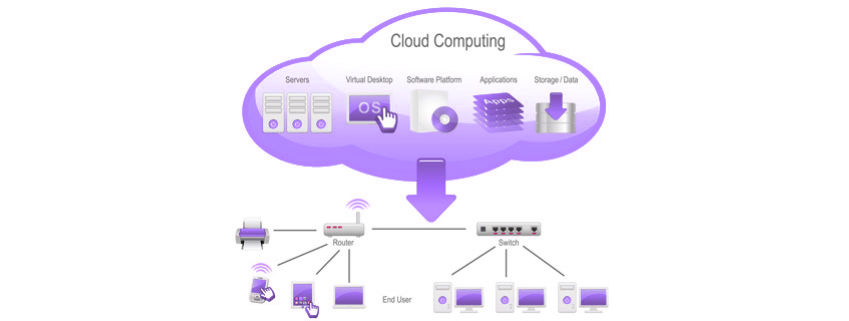
Green cloud computing refers to handling cloud services with minimal impact on the environment. It covers the design, deployment, and management of any cloud services. This is done by focusing on a few key things:
- Reducing carbon emissions
- Optimizing energy consumption
- Maximizing resource efficiency
This is done by employing various strategies. Here are a few of them:
- Using eco-friendly hardware
- Turning to renewable energy sources
- Employing intelligent cooling systems
- Aiming for workload optimization
Green cloud computing utilizes metrics like Power Usage Effectiveness (PUE) & Carbon Usage Effectiveness (CUE). These benchmarks help track and implement efficient energy consumption measures.
Source: greenit.com
Why is Green Cloud Computing Important?
Green cloud computing is extremely important on a global ecological scale. It tries to usher an era of growth that doesn’t have a severe impact on the environment. Digital growth should happen in the face of environmental stewardship.
Data centers already account for a significant part of global electricity usage. This is further projected to grow exponentially. This risks an escalating problem in greenhouse gas emissions, if not intervened properly.
The advantages of green cloud computing go beyond sustainable development. Here are some other aspects addressed by green cloud computing:
- Regulatory compliance – Sustainable IT has become a necessity in the wake of global compliance standards. Governments across the world are enforcing these standards.
- Operational efficiency – Eco-friendly cloud setups cut energy costs and reduce hardware waste.
- Brand reputation – Consumers and investors have become environmentally conscious. They favor organizations aligning with Environmental, Social, and Governance (ESG) objectives.
Green cloud computing paves the future where sustainability becomes the first order of business instead of an afterthought.
Benefits of Green Cloud Computing
Green cloud computing has a lot of financial and ecological benefits. Let’s look at a few of them:
1. Reduced Carbon Footprint
Organizations are able to cut greenhouse emissions by following green cloud computing. Workload consolidation, optimally server utilization, and renewable energy are a few ways this happens.
2. Cost Efficiency
Energy-efficient systems utilize less power. This leads to lower utility bills while reducing unnecessary hardware.
3. Improved Resource Utilization
Green cloud computing ensures higher server utilization rates. This also minimizes idle resources, leading to better ROI.
4. Compliance and ESG Alignment
Adopting sustainable cloud solutions helps companies meet regulatory standards. They also align with sustainability reporting requirements.
5. Enhanced Corporate Image
Companies embracing green cloud computing build stronger reputations. Eco-conscious consumers, employees, and investors favor such businesses.
6. Innovation Enablement
Sustainability drives new technologies. AI-driven cooling, renewable-powered data centers enhance both efficiency and competitiveness.
These benefits make Green Cloud Computing a dual win. The environment is safeguarded while strengthening business performance.
Strategies for Green Cloud Computing
Organizations that want to implement green cloud computing in their business need to look at different strategies. The best way is to slowly implement it across different parts of their computing setup.
Virtualization and Workload Optimization
- Integrating virtual machines and containers reduce the number of servers needed. Multiple workloads can use fewer servers. This reduces physical infrastructure requirements and optimizes power consumption.
Renewable Energy Integration
Renewable energy sources like solar, wind, or hydro have lower emissions. Organizations like Microsoft and Google already use 100% renewable energy.
Energy-Efficient Hardware
Shifting to hardware that have lower power consumption is another significant way to keep your organization sustainable. Some energy-efficient hardware options include low-power processors, modular servers, and solid-state drives.
Intelligent Cooling Systems
Employing advanced cooling systems helps minimize energy wastage. Liquid immersion, free-air cooling, and AI-driven thermal management are good options.
Green Metrics and Benchmarking
There are various metrics to track the effectiveness of green cloud computing initiatives. Some common metrics include PUE, CUE, and Water Usage Effectiveness (WUW). It is a good aim to strive for with these initiatives.
Cloud Provider Selection
Organizations should prefer providers who are knows for their commitment to sustainability. Providers investing in renewable energy, having transparent reports, and certified green data centers are good options.
Lifecycle Management and E-Waste Reduction
Reusing and recycling should be the standards for those implementing green cloud architecture. Obsolete hardware should be recycled and working components should be recycled. All systems should be designed with a focus on circular economy principles.
GreenOps (Green Operations)
This refers to dynamically scheduling workloads on the basis of carbon intensity. A good example is shifting tasks to regions and times where renewable energy is accessible.
Using a mix of these strategies can help organizations embrace environmental sustainability in their cloud computing activities.
How to Transition to Sustainable Green Cloud Computing?
Implementing green cloud computing requires planning and a commitment to upholding any initiatives being followed. Let us look at how your organization can make that transition.
1. Assess Current Impact
The best place to start is by understanding where you organization stands presently. Conduct an audit of your IT operations. Measure current energy usage, emissions, and identify inefficiencies.
2. Define Goals and KPIs
Before you begin any initiative, set clear sustainability targets. Some targets include achieving a specific PUE or transitioning to renewable power within a given timeline.
3. Choose the Right Providers
Partner with cloud vendors that demonstrate genuine green credentials, offering carbon reporting and renewable commitments.
4. Modernize Infrastructure
Implement and adopt infrastructure that is designed with sustainability in mind. Migrate to virtualized environments, update all outdated hardware, and integrate automation tools to optimize resource use.
5. Educate and Engage Teams
Any transition can be done only if everyone is educated and aligned with the reason for such a change. All stakeholders from IT staff to leadership should understand the reason behind sustainable cloud adoption. They need to align with both the environmental and business benefits.
6. Monitor and Iterate
Continuously monitor and track metrics. Strategies should be refined to attain and improve benchmarking of PUE, CUE, and WUE. Adapt and improve as technologies and policies evolve.
By treating the transition as an evolving process rather than a one-off project, companies can ensure long-term impact and measurable results.
Future of Green Cloud Computing
The future of green cloud computing is closely tied to innovation and accountability. Improvements in AI can enable optimal usage of resources. This will enable both performance efficiency, along with fewer carbon emissions.
Cloud providers are exploring different ways to reduce environmental waste. Renewable energy sources and reuse are being implemented wherever possible.
Regulatory bodies like European Union’s Climate Neutral Data Center Pact will be a huge driver in enforcing strict compliance.
Advancements in green technology will push cloud computing to implement agility and scalability without overlooking sustainability. The next decade is bound to see cloud deployment evolve into a carbon-conscious ecosystem.
Final Thoughts
Green cloud computing is moving away from a trend to something necessary on a global scale. Making this transition has both financial and environmental advantages, making it a crucial need.
Organizations can follow various strategies to make the transition in phases, but a detailed plan is needed for a conscious switch. Making the move towards a greener computing infrastructure keeps the future of the planet in a safer place.
Frequently Asked Questions (FAQs)
1. What are examples of green computing?
Examples include virtualization, energy-efficient hardware, cloud-based storage, renewable-powered data centers, and e-waste recycling.
2. What are the green cloud computing companies?
Leaders in green cloud computing include Google Cloud, Microsoft Azure, Amazon Web Services (AWS), and IBM. All of them have strong renewable and carbon-reduction commitments.
3. How to apply green computing?
The first phase is to conduct and audit and create goals that you want to achieve. As you make the switch, there should be education on making this a conscious move. There should be frequent alignment by tracking carbon emissions.
4. What are the problems with green computing?
Challenges in transitioning include high initial costs, integration with legacy systems, limited availability of renewables in some regions, and organizational resistance to change.
5. Is green technology good or bad?
Green technology is overwhelmingly positive for both organizational goals and the planet’s future. However, adoption challenges and upfront costs must be managed.
1638 articles published
KnowledgeHut is an outcome-focused global ed-tech company. We help organizations and professionals unlock excellence through skills development. We offer training solutions under the people and proces...
Get Free Consultation
By submitting, I accept the T&C and
Privacy Policy