
- Home
- Blog
- Cloud Computing
- What is Cloud Computing Platform? Types, Benefits, Limitations
What is Cloud Computing Platform? Types, Benefits, Limitations
Updated on Dec 09, 2024 | 8 min read | 2.08K+ views
Share:
Table of Contents
View all
Cloud technology is the main force behind a paradigm shift away from traditional IT services and toward next-generation computing solutions. It is changing how businesses provide software and apps and how consumers utilize them. A major factor in the global acceptance of cloud computing platforms is the rapid growth of IoT (Internet of Things), 5G, and edge computing. Big Data consumption and the usage of AI-powered, data analysis in real time has also contributed to this trend.
In order to become more responsive, flexible, and agile, progressive companies are moving their software, apps, and services to the cloud computing platforms. They are taking benefit of the rapidly expanding cloud infrastructure. Recent years have seen billions of dollars invested in the cloud ecosystem as a result.
Cloud-based services, with their pay-as-you-go approach, scalable resources, and ability to facilitate speedier innovation, are becoming more and more popular. Cloud specialists are in high demand as more businesses position themselves to take advantage of cloud computing.
Master the Right Skills & Boost Your Career
Avail your free 1:1 mentorship session
What is a Cloud Platform?
Source: Akamai
The hardware and operating system of data center servers set up to offer cloud computing services to clients is known as a cloud computing platform. The platform allows software and hardware to coexist and provides remote access to large-scale computing services.
A range of pay-per-use computing services, such as databases, servers, storage, analytics, storage, networking, intelligence, and software, are accessible remotely by companies that use cloud platforms. Data centers and computing infrastructure do not need to be built and owned by organizations. They just pay for the services that they actually utilize.
Cloud computing platform allows businesses to store, recover, analyze, and backup data. It also facilitates the development and testing of applications. Additionally, businesses can provide on-demand software globally, broadcast audio or video, and integrate business analytics into operations.
Types of Cloud Platforms
Cloud computing platforms are categorized based on the services they provide. Here are the main types:
- Infrastructure as a Service (IaaS): Offers virtualized computing resources like servers, storage, and networks. Example: AWS EC2.
- Platform as a Service (PaaS): Provides a cloud computing platform for developers to build, test, and deploy applications without managing the underlying infrastructure. Example: Google App Engine.
- Software as a Service (SaaS): Delivers software applications over the internet, accessible via browsers. Example: Microsoft 365.
- Function as a Service (FaaS): Enables serverless computing where developers deploy functions that run on demand. Example: AWS Lambda.
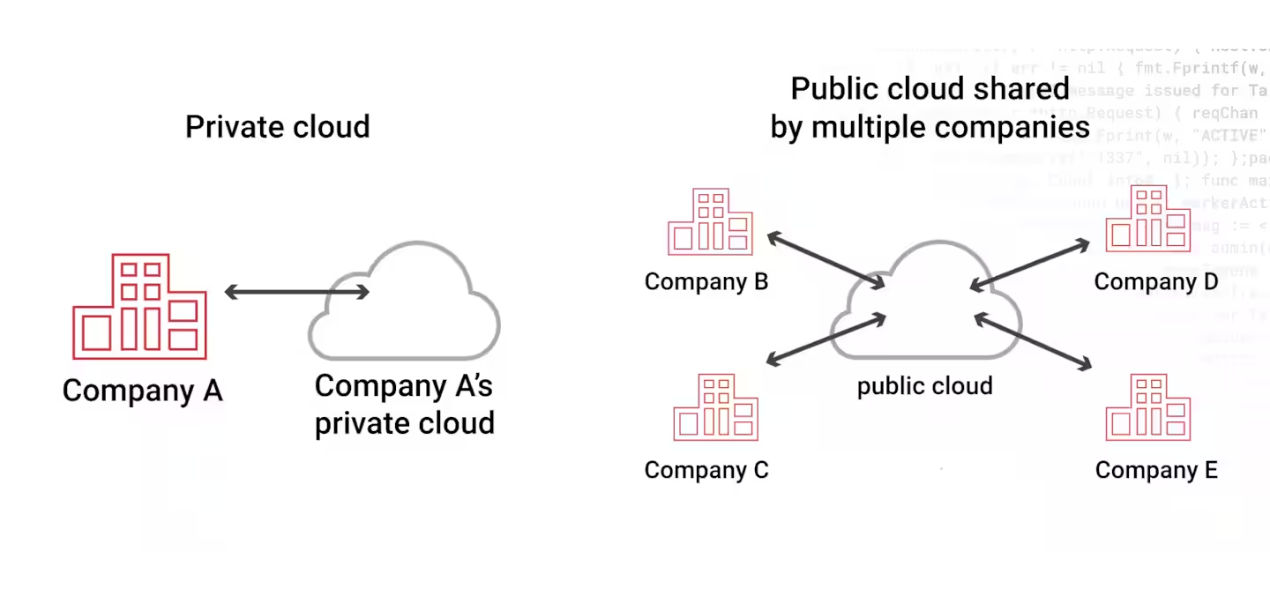
- Private Cloud: Dedicated cloud infrastructure for a single organization, offering enhanced control and security.
- Public Cloud: Shared cloud services provided by third-party vendors for multiple users. Example: Microsoft Azure.
- Hybrid Cloud: Combines private and public clouds for flexibility and scalability.
- Multi-Cloud: Uses multiple cloud services from different vendors for specific needs.
How Does a Cloud Platform Work?
Cloud computing platforms use the internet to deliver network, computation, and data storage services by establishing an online pool of shared resources. Cloud platforms use virtualized servers, storage, and networks for flexibility and scalability. Users can pay for just the resources they require by accessing the cloud computing platform as needed. Cloud platforms run different operating systems and apps for different clients on a single physical server by using virtualization technologies to generate several VMs (virtual machines) on a single server.
Compute services are available to users from both private and public cloud platforms. Platforms for cloud computing enable enterprises to store, backup, and retrieve data; test and develop applications; access cloud databases; evaluate large data sets; provide software on demand globally; receive business intelligence; and develop cloud-native applications.
Benefits of Cloud Platforms
Cloud computing solutions and platforms provide a number of benefits to enterprises.
- More flexibility. Businesses can minimize the danger of over- or under-provisioning by using cloud platforms to access computing services instead of on-premises technology. This allows them to scale up and down extremely quickly to suit business requirements.
- Decreased expenses. Cloud platforms allow companies to do away with the capital cost of setting up a data center in-house and the price of hiring IT personnel to maintain it. Additionally, cloud platforms save a lot of money by letting businesses just pay for the resources that they use.
- Better performance. Because cloud platforms give businesses on-demand access to all the computational power and storage space they require, they can provide better performance. Cloud load balancing solutions and virtualized pooling of cloud-based resources aid in preventing bottlenecks.
- Enhanced agility. To accelerate innovation and time-to-market, companies can use cloud platforms' on-demand resources to deploy the precise cloud infrastructure they require at any given time.
- Quicker implementation. In a matter of minutes, as opposed to days, weeks, or months, cloud computing resources enable enterprises to install the technology they require anywhere in the world.
- Increased output. Third-party providers oversee cloud platforms, relieving IT teams of the burden of on-site hardware and software management, maintenance, and upgrades.
- Greater security. Better security than most businesses can install for their own premises is provided by cloud service providers, that extensively invest in cloud security solutions to protect their platforms against attacks and disruptions.
Best Cloud Platforms 2024-25
Various cloud platforms come in a variety of formats. These platforms provide a variety of services, from whole frameworks for app development to computing services including servers, storage, and virtual desktops. Eight meticulously selected cloud computing platform examples are listed below that you should be aware of if you choose to pursue a career in cloud computing. This cloud computing platform list comprises the best cloud platforms in 2024-25
1. Amazon Web Services (AWS)
- Industry leader with a wide range of services. Considered the best cloud computing platform by numerous reviewers.
- Excellent for scalability, AI, machine learning, and storage.
- Global reach with extensive compliance coverage.
2. Microsoft Azure
- Focus on developer productivity and DevOps tools.
- Provides robust security, analytics, and hybrid solutions.
- Cost-effective with flexible pricing models and global presence.
3. Google Cloud Platform (GCP)
- Excels in AI, machine learning, and analytics.
- Offers superior containerization tools (Google Kubernetes Engine).
- Supports sustainability goals with carbon-neutral operations.
4. IBM Cloud
- Strong in AI (IBM Watson) and blockchain technology.
- Tailored solutions for enterprises with high-security standards.
- Ideal for industries requiring compliance and cognitive computing.
5. Oracle Cloud
- Best for database management and SaaS applications.
- Offers strong integration with existing Oracle products.
- Preferred by enterprises for mission-critical workloads.
6. Alibaba Cloud
- Leading platform in Asia with competitive pricing.
- Offers elastic computing and advanced analytics.
- Excellent for businesses expanding in emerging markets.
7. VMWare Cloud
- Focused on multi-cloud and hybrid cloud solutions.
- Simplifies app migration and supports secure virtual environments.
8. Salesforce Cloud
- Specializes in CRM and marketing cloud solutions.
- Offers personalized customer experiences and advanced analytics.
These cloud computing platforms and technologies cater to various needs, from startups to large enterprises, depending on the technical requirements and business goals. Each brings unique strengths in scalability, innovation, and cost-efficiency
Limitations of Cloud Platforms
Cloud platform providers have significant advantages but require careful planning to mitigate a few limitations.
1. Security Concerns
- Data stored online may face hacking risks.
- Requires strong encryption and compliance measures.
2. Downtime Risks
- Service outages can disrupt business operations.
- Dependency on the provider's uptime reliability.
3. Limited Control
- Users rely on providers for infrastructure management.
- Customization options may be restricted.
4. Hidden Costs
- Costs can increase with additional services or scaling.
- Lack of clarity in pricing for certain features.
5. Latency Issues
- Delays may occur in data access due to server locations.
- Critical for time-sensitive applications.
6. Compliance Challenges
- Difficulties in adhering to data privacy regulations.
- Cross-border data storage can lead to legal issues.
7. Vendor Lock-In
- Migration to a different provider can be complex.
- Dependencies on proprietary tools and APIs.
8. Performance Variations
- Shared infrastructure may lead to inconsistent performance.
- Heavy traffic can impact resource availability.
To Sum Up
Cloud computing caused IT to undergo a complete transformation. Better ways of developing products and services, providing customer support, and doing research are made possible by the cloud. Business executives who take advantage of cloud computing's possibilities will undoubtedly have an advantage over their competitors in this dynamic environment, whether it be in the software and tools they select, the cultures they establish, or the business plans they implement.
There are countless cloud computing online platforms available, making it difficult to choose the best one. It is crucial to choose the best one according to your needs. Otherwise, building and maintaining your platform could be very taxing. While there are some free cloud computing platforms available as well. It is always safe to go with the reputed names.
Frequently Asked Questions (FAQs)
1. What is an example of cloud computing platform?
Companies and people employ a variety of cloud computing applications, such as music and video streaming services where the media assets are kept offsite. Data storage services like Box, Dropbox, OneDrive, and Google Drive are other examples.
2. Which cloud is used most?
The most popular cloud platform is Amazon Web Services (AWS), which dominates the industry thanks to its extensive service offerings, scalability, and robust ecosystem. Businesses all over the world choose AWS because of these factors.
3. Is Amazon a cloud platform?
Yes, Amazon Web Services (AWS) is the name of the company's cloud platform. It offers a variety of cloud computing services, including databases, storage, and processing power.
4. Why do we need cloud platforms?
Cloud platforms are important because they offer an economical, scalable, and adaptable means of gaining on-demand access to computer resources like servers, storage, and applications.
5. Does Google use cloud computing?
Yes, Google uses cloud computing extensively. It offers Google Cloud services to businesses while using cloud technology for its own operations.
243 articles published
Kingson Jebaraj is a highly respected technology professional, recognized as both a Microsoft Most Valuable Professional (MVP) and an Alibaba Most Valuable Professional. With a wealth of experience in...
Get Free Consultation
By submitting, I accept the T&C and
Privacy Policy